

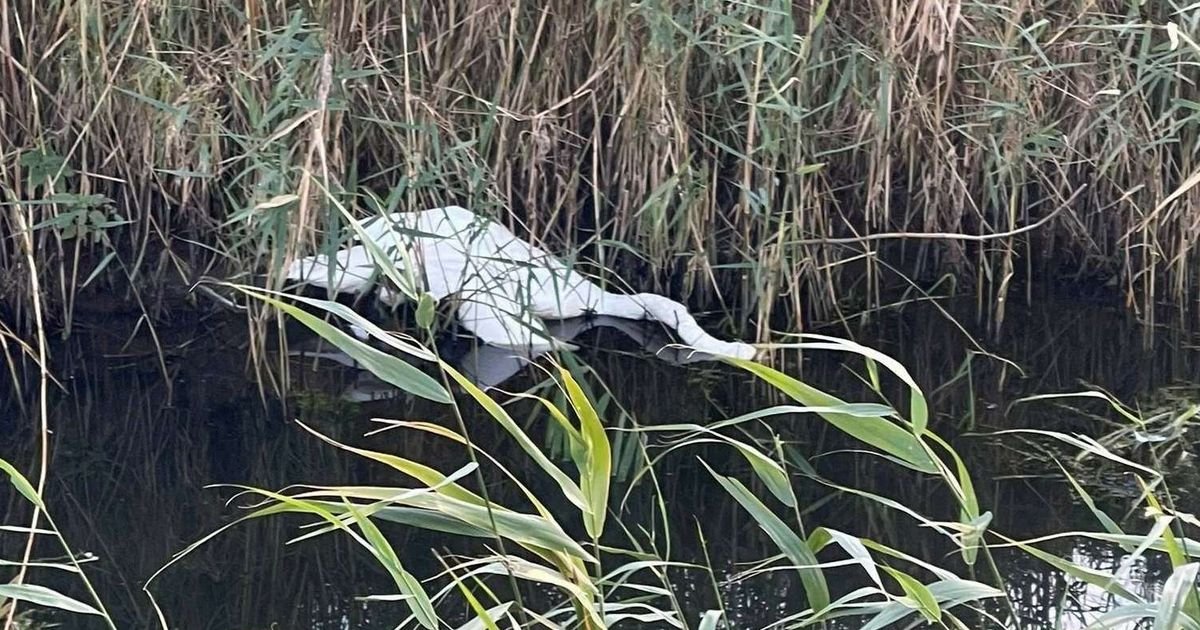

Experts on bird flu have issued a concerning alert regarding the potential devastation facing key bird populations in the UK. A surge in infections has led to the discovery of numerous bird carcasses scattered across a wide area, raising fears of a significant impact on the swan population in particular.
Rescuers are alarmed by the discovery of dozens of bird carcasses, with at least 50 recovered in the Canterbury and Thanet regions of Kent, prompting concerns about a suspected flu outbreak. The situation has escalated with confirmed cases of the deadly bird flu at a farm in Lydd, indicating a serious threat to the local bird population.
The outlook appears grim as experts predict that the upcoming winter season will bring further chaos as the birds migrate. Swans typically head south to England as temperatures drop and water sources freeze, making southern England, especially Kent, a popular destination for these flocks. Johnny Allen, a volunteer at Kent Wildlife Rescue, expressed deep concerns, suggesting that this situation could mark the “beginning of the end” due to the persistent threat of disease.
Highlighting specific high-risk areas such as Ramsgate in the Minster Marshes, St Nicolas at Wade, and Reculver Towers near Herne Bay, Allen emphasized the importance of swift action to prevent the spread of the disease to other wildlife feeding on the deceased birds. The urgency of the situation is underscored by a recent bird flu outbreak at the royal Woodstock Estate in Woodstock, Oxfordshire, where precautions have been put in place to contain the spread.
In response to the escalating crisis, authorities have advised the public against handling any dead birds and have urged prompt reporting of any sightings of ill or deceased birds to help mitigate the spread of the disease. Collaboration with DEFRA and adherence to best practices are vital in safeguarding the bird population and preventing further losses.