

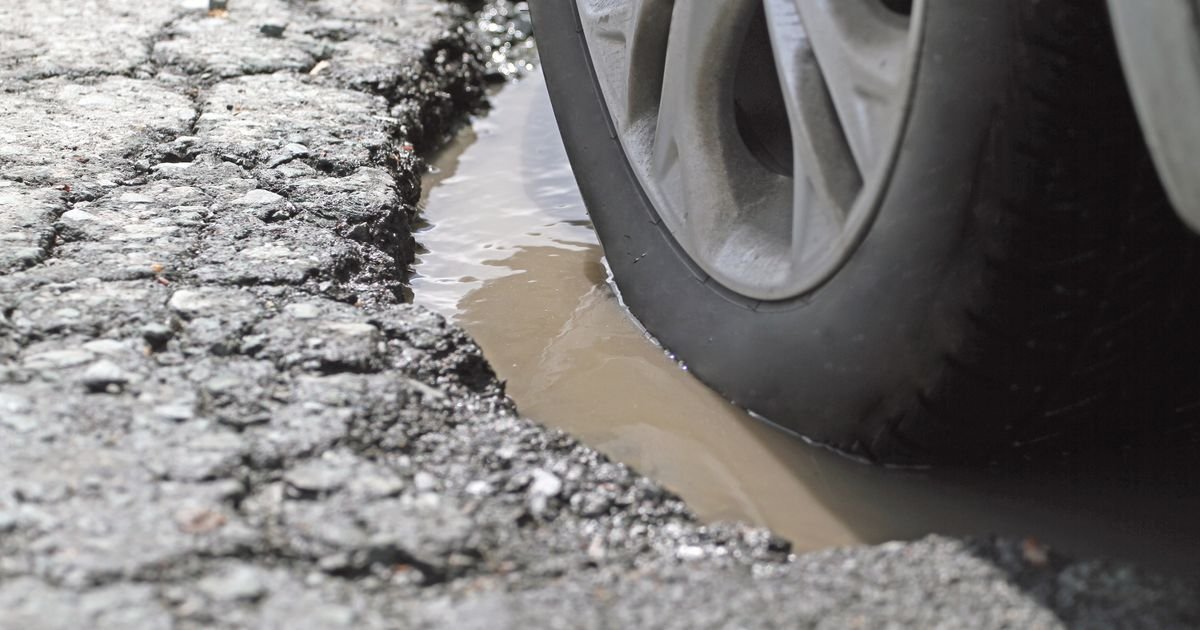

Drivers are often frustrated by the presence of potholes on roads, which have become a common issue. Potholes have become a significant concern for voters and have now become a political topic. The government recently allocated £7.3 billion for road maintenance, but this falls short of the estimated £17 billion needed to address the pothole problem nationwide.
Potholes vary in size and risk level, and the definition of a pothole differs among Local Highway Authorities (LHAs). When making a claim for pothole damage, it is essential to understand how the specific council defines a pothole. Drivers can choose to claim through their insurance or directly with the council, but the process may vary depending on the policy and coverage.
In the event of pothole damage, drivers should prioritize safety and assess the situation carefully. Gathering evidence, such as photos and notes, is crucial for supporting a claim. Reporting the pothole to the responsible council or highway agency is the first step in seeking compensation for damages.
Councils may argue that they are not liable for potholes unless previously reported, citing the Highways Act 1980. Gathering as much information as possible about the incident and the road’s maintenance history can strengthen a claim. If a claim is rejected, drivers can appeal and, if necessary, escalate the matter to the Small Claims Court.
Taking legal action against councils for pothole damages is a feasible option, and many have successfully pursued claims through small claims cases. While the process may seem daunting, it is relatively straightforward and can be initiated online. Drivers who are determined to seek compensation for pothole-related damages can pursue legal action through the appropriate channels.