


In a surprising turn of events that puzzled scientists, an unusual sound, now named the “bloop,” reverberated off the Florida coast. Initially thought to potentially signal an unknown phenomenon, such as a massive Megalodon or a undiscovered deep-sea creature, it turned out to have a more unsettling explanation.
Several experts speculated that the origin of the Bloop could be linked to a living creature, resembling an amplified whale call. Despite this resemblance, the sound was significantly louder than any known marine life sounds, leading to speculation about a possible new species. This spurred various internet theories about hidden sea monsters or mythical creatures like Cthulhu.
Geographers offered more plausible explanations, citing underwater volcanic activity and tectonic plate movements. The sound’s duration and intensity matched previous instances where plate shifts had produced eerie noises.
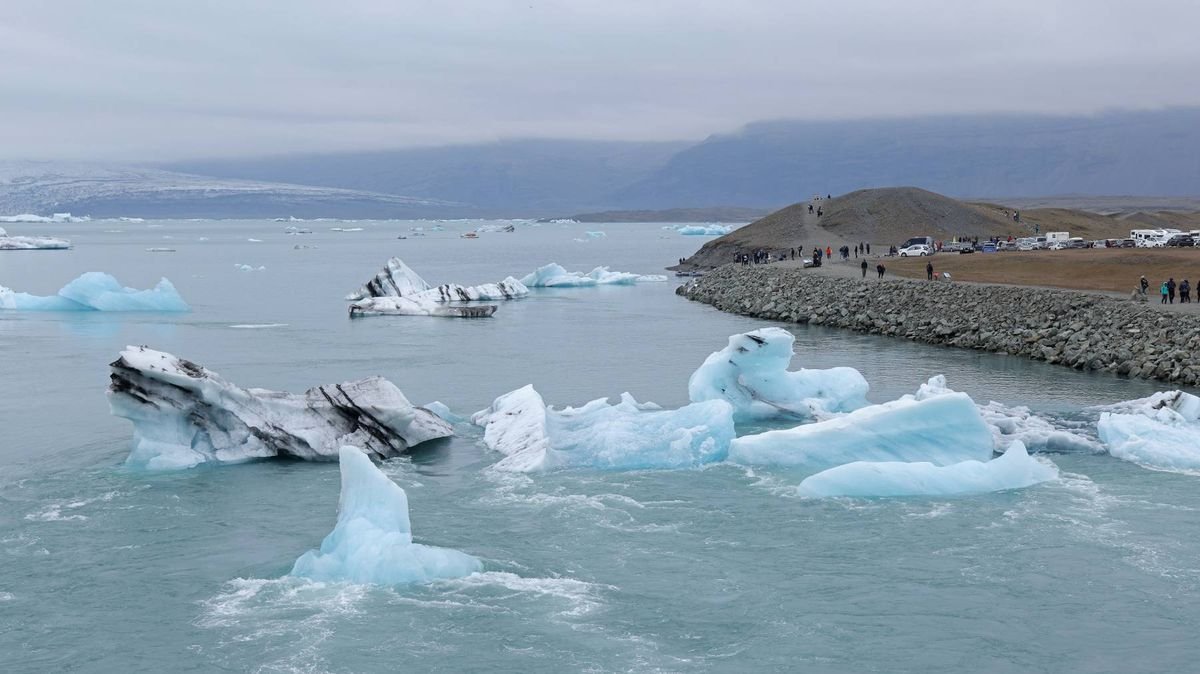
Years later, the National Ocean Service (NOAA) deployed hydrophones to monitor seafloor events and discovered that the sound actually came from an icequake – an iceberg breaking off from an Antarctic glacier. This finding shed light on the source of the thunderous rumbles heard in 2005.
A Reddit user expressed disappointment at the mundane explanation, hoping for a groundbreaking discovery of a new underwater species. Another individual remained skeptical of NOAA’s findings, questioning why it took so long to attribute the sound to iceberg cracking and wondering about the unusually loud nature of this particular icequake.