

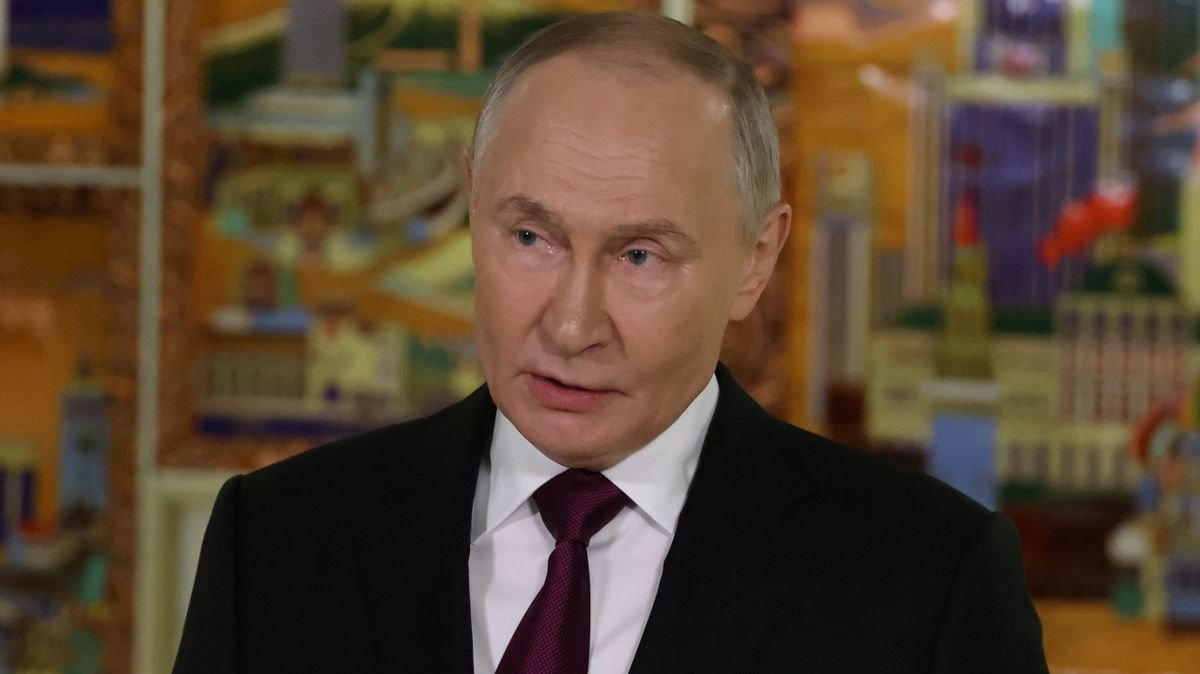

The conflict in Ukraine is expected to persist for an extended duration, with diplomatic efforts such as US envoy Steve Witkoff’s peace summits with Vladimir Putin increasingly appearing as mere symbolic gestures. Each meeting, including those involving Trump and Putin, serves as a platform for the Russian leader to assert dominance, reject Western influence, and project strength.
The Kremlin’s rejection of a revised peace plan was anticipated, as any compromise would deviate from Putin’s original demands. President Donald Trump’s 28-point peace proposal aligned closely with Kremlin requirements, making it challenging to propose new terms now.
Putin seems unlikely to compromise, as his strategic goals are set firmly on continuing the conflict. The ongoing war is crucial for his political survival and support from extreme nationalist factions. The Ukrainian population faces severe challenges as Russian attacks cripple energy infrastructure, leaving many without essential services in freezing temperatures.
Ukrainian forces are actively targeting Kremlin energy resources, signaling resilience and applying pressure on Putin. This strategy aims to limit Putin’s financial resources from energy exports, crucial for sustaining the war effort. Putin’s reluctance to end the conflict indicates a willingness to sacrifice lives to strengthen his position in negotiations with the White House.
The Trump administration’s public negotiations with Moscow have shown limited progress, undermining its credibility while bolstering Putin’s stance. The possibility of the US withdrawing support for Ukraine may force Kyiv to take drastic measures to defend against Russian aggression, potentially escalating the situation in Europe.
Tensions between the West and Russia are escalating, raising the specter of direct conflict. NATO’s readiness to confront Russian aggression is being tested, as covert operations evolve into more overt provocations. Decisive actions may be necessary to deter further Russian aggression and assert Western interests.
The need for a strong stance against Russia is evident, with potential consequences for global security. Diplomatic efforts must align with strategic interests to prevent further escalation and safeguard regional stability.