

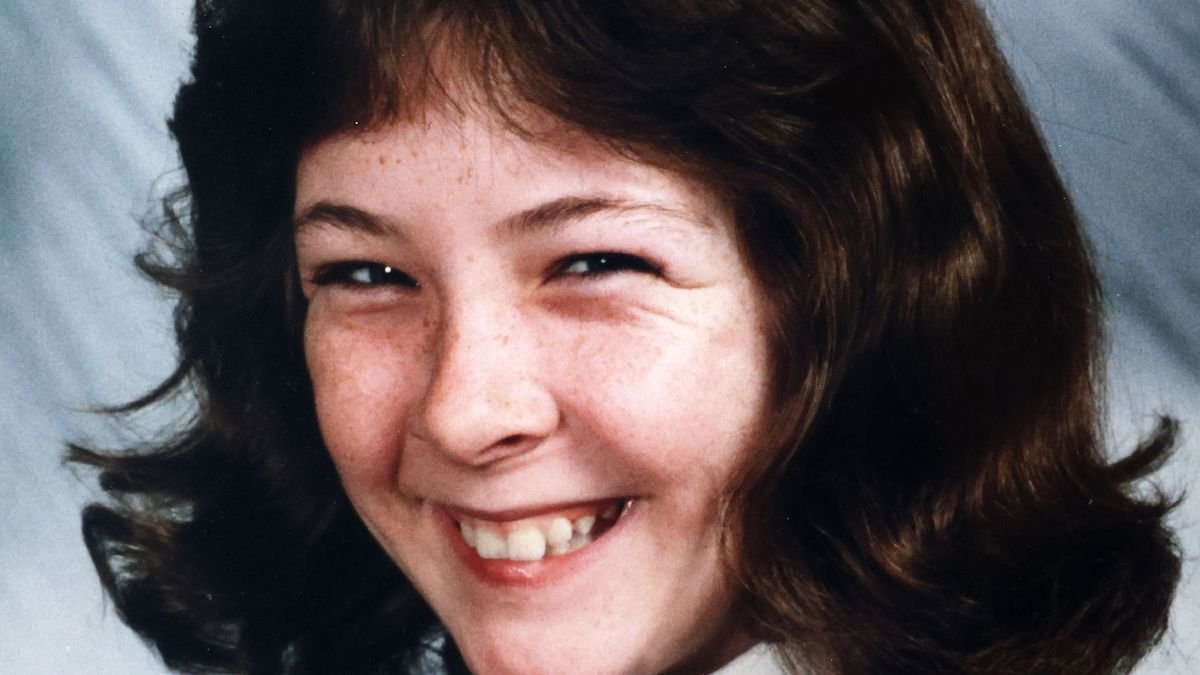

The mystery surrounding the brutal rape and murder of Jennifer Kiely has tormented her family for over two decades. Law enforcement struggled to uncover the motive behind the senseless killing that left three young children without their mother.
After years of uncertainty, a breakthrough came when a small DNA sample from a discarded cigarette butt, preserved for more than 20 years, provided the crucial evidence needed to identify the perpetrator. Recently, authorities identified Keith Dowbekin as the prime suspect in the 2005 murder of the former beauty queen Jennifer Kiely, linking his DNA to a cigarette butt found at the crime scene.
By analyzing the DNA fragments recovered from Jennifer’s body and the surroundings of the crime scene, investigators pinpointed Dowbekin, whose DNA did not match any entries in the national DNA database. Through advanced forensic techniques involving familial DNA analysis, Sussex Police successfully tracked down Dowbekin by obtaining DNA samples from his relatives in 2018.
The breakthrough was made possible by the hereditary nature of DNA, which was not an available tool in 2005. Detective Chief Inspector Simon Dunn emphasized the meticulous process of identifying individuals who shared similar DNA components with the crime scene samples. The final piece of the puzzle came in 2024 when a DNA match from a man in northern England confirmed Dowbekin’s identity, despite his passing in 2014 at the age of 60.
Although Dowbekin, also known as Keith Black and Keith Broadbent, cannot face charges due to his death, Sussex Police highlighted his involvement in the tragic event. Jennifer Kiely, a mother of three, was discovered lifeless in a beach shelter at Holywell, Eastbourne, in January 2005, with multiple stab wounds, a head injury, and evidence of a sexual assault.
The investigation into Jennifer’s murder faced hurdles early on, with two initial suspects arrested in the same year but released due to insufficient evidence. The recent revelation of Dowbekin’s identity has brought a mix of closure and regret for missed chances to apprehend him earlier.
Police records indicate missed opportunities to intercept Dowbekin, as he was stopped shortly after the murder and had prior encounters with the authorities for unrelated rape offenses. Despite these encounters, Dowbekin remained unidentified until 2024, raising questions about the handling of crucial information at the time.
The decision to publicly disclose Dowbekin’s identity aimed to address public interest, the severity of the crime, and the potential for further revelations. Meanwhile, Jennifer’s family continues to seek justice for their beloved mother, highlighting her life beyond the tragic circumstances that led to her untimely death.
Sussex Police’s persistent efforts led to the reopening of the case in 2011, with a substantial reward offered in 2024 to encourage information sharing for resolving the long-standing mystery surrounding Jennifer Kiely’s tragic fate.