


The UK government is reportedly fast-tracking preparations for a potential war outbreak amid escalating tensions in the Ukraine-Russia conflict. The European Union has taken the decision to freeze Russia’s assets worth £184 billion indefinitely, aiming to ensure that Hungary and Slovakia, known for their friendly ties with Moscow, do not impede the allocation of funds to support Ukraine.
Recently, President Trump put forward a 28-point peace plan for Ukraine, drawing parallels with Russian viewpoints. In response, Ukraine President Volodymyr Zelenskyy has presented a counterproposal seeking legal assurances against future Russian aggression, as outlined by European leaders and diplomats.
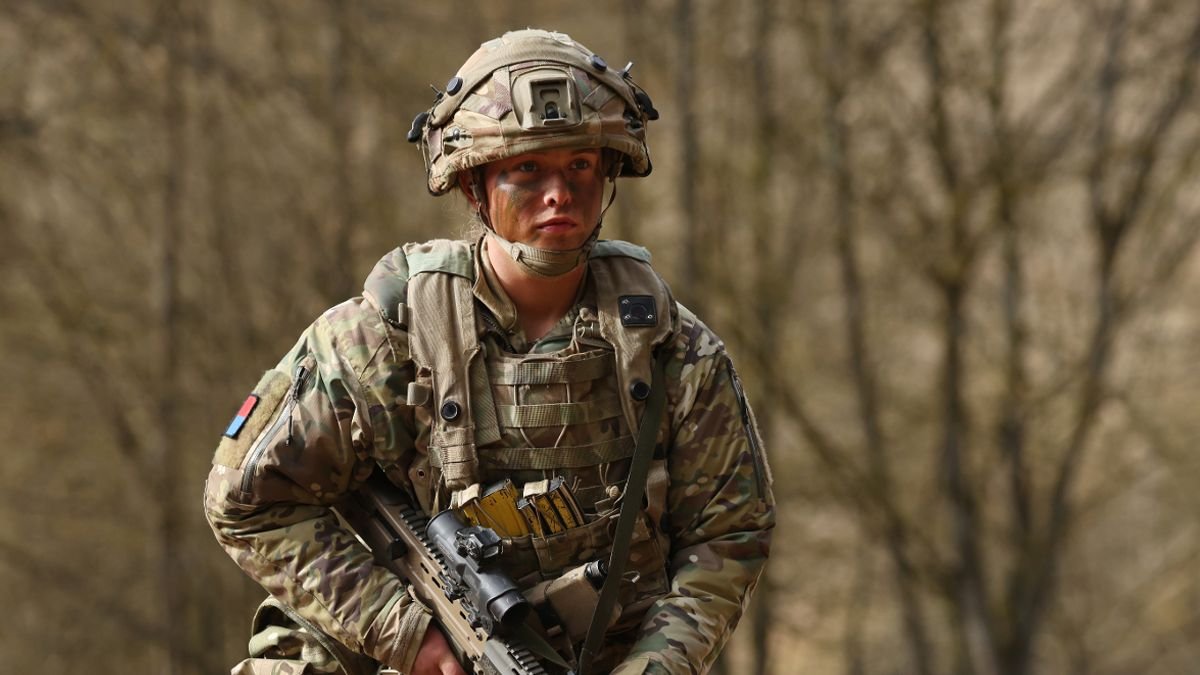
Concerns have been raised in the national security domain over the diminishing number of soldiers in Britain. Experts warn that with just over 74,000 regular forces personnel currently in service, the country could be left vulnerable if faced with a direct attack from Vladimir Putin. Ongoing cuts to the Ministry of Defence since 2010 have led to the lowest count of British Army personnel since the Napoleonic Wars.
In the context of potential modern-day conscription, a historical perspective reveals that during World War II, single men aged 20 to 22 were mandated to undergo six months of military training. As the conflict progressed, the age range for conscription expanded to encompass men aged 18 to 41, with exemptions granted based on medical fitness and essential industry roles.
Post-war, National Service required healthy males aged 17 to 21 to serve in the armed forces for 18 months, followed by a four-year reserve commitment. Notably, the UK has never conscripted women for direct combat roles, although recent surveys indicate public support for gender-inclusive conscription measures in hypothetical wartime scenarios.
Amidst global apprehensions of a looming conflict, former military officials advocate for preparedness in the face of escalating tensions. While the UK government denies current plans for conscription, perspectives from military experts underscore the need for strategic readiness in the event of heightened hostilities.
The newly released National Security Strategy report underscores the evolving complexities of nuclear threats, emphasizing the need for heightened vigilance. Prime Minister Keir Starmer has pledged a significant allocation of GDP towards national security, aiming to align civilian and military priorities akin to post-World War II strategies.
As the nation grapples with radical uncertainties and heightened security risks, discussions on national conscription have resurfaced, prompting critical reflections on strategic preparedness. Expert analysis underscores the gravity of the current security landscape, emphasizing the imperative for comprehensive national defense strategies.