

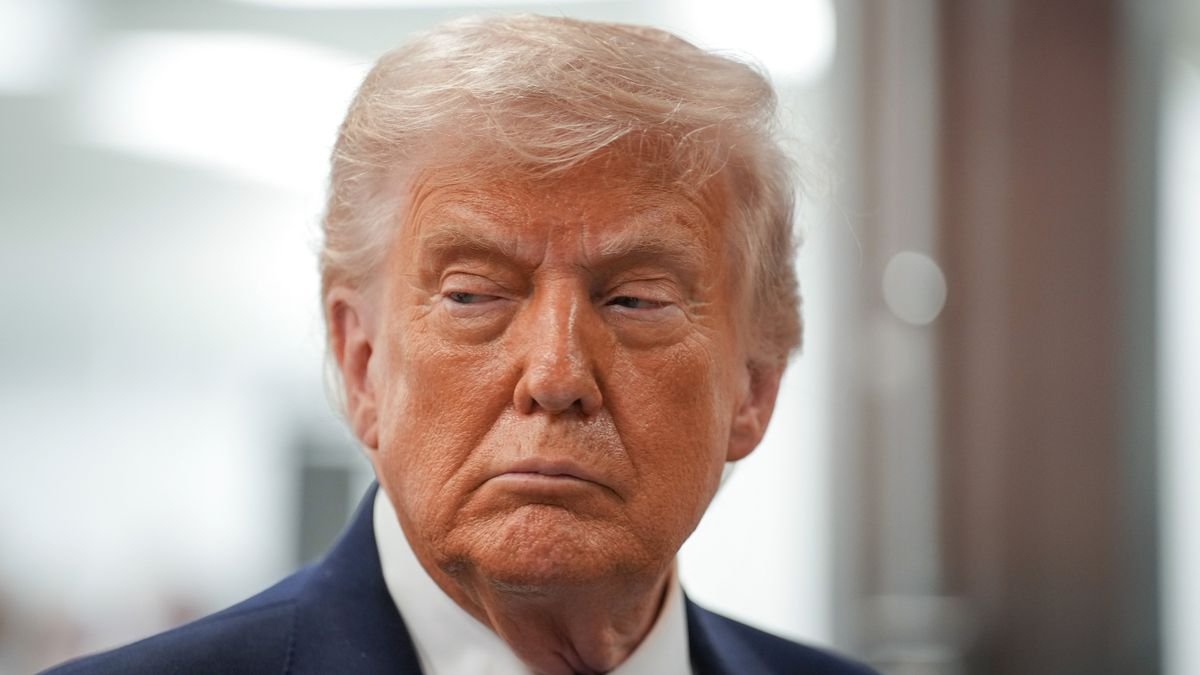

Households are facing a concerning situation with a potential increase in energy bills and interest rates due to escalating tensions in the Middle East. The conflict has intensified, leading to a surge in European wholesale gas prices by 35%. Tehran targeted Qatar’s Ras Laffan plant, the world’s largest liquefied natural gas export hub, in response to attacks on its South Pars gas field by Israel. US President Donald Trump threatened further action if Iran continued with such attacks.
The rise in wholesale gas prices and oil reaching $119 a barrel pose a risk of higher bills for UK households. Estimates suggest a potential increase in energy bills, with projections varying depending on the crisis duration. The Resolution Foundation anticipates a surge of £500 per household, while EDF predicts bills to rise by up to £300 over the next year.
Despite a temporary 7% drop in Ofgem’s price cap benefiting most households next month, concerns loom over a potential hike in July when the cap is next reviewed. Calls have been made to limit any increase for the most vulnerable households.
Political figures like Lib Dem leader Ed Davey and Simon Francis from the End Fuel Poverty Coalition have expressed worries about the impact of the conflict on energy bills, labeling it a ‘Trump Tax.’ The recent attacks led to significant losses in global financial markets, with UK listed companies losing over £50 billion on the FTSE 100.
Prime Minister Keir Starmer denounced the strikes on Qatari gas facilities and discussed the domestic repercussions of the conflict in a meeting at Downing Street. The Bank of England cautioned about a potential inflation spike from a prolonged energy shock, which could prompt interest rate hikes. Financial markets are already speculating on a rate rise to 4% by June and potential further increases.
The mortgage industry has felt the effects of rising costs, with average fixed loan rates seeing an increase. The unrest in the Middle East has impacted swap rates, leading to inflated mortgage rates and the temporary withdrawal of some deals from the market.
Analysts and experts emphasize the escalating conflict in the Middle East and its repercussions, highlighting the need for swift resolutions to stabilize the situation and mitigate economic impacts.