

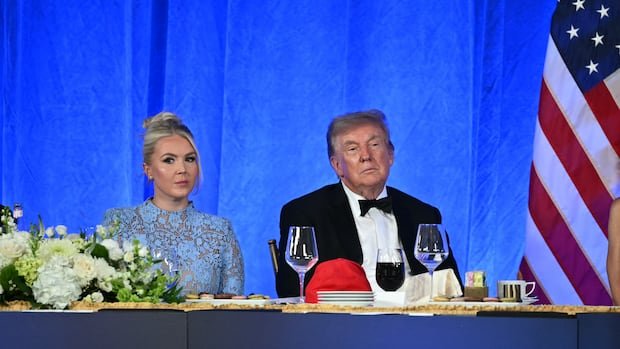

White House press secretary Karoline Leavitt is set to depart from her position by the end of the month, as confirmed by U.S. President Donald Trump on Wednesday. This move leaves the president without one of his key advisors as the November midterm elections approach. Leavitt will transition to the role of an external communications advisor and party strategist, contributing to shaping the future direction of Trump’s “Make America Great Again” movement, according to statements from both Leavitt and Trump.
In a recent social media post, 28-year-old Leavitt expressed her intention to dedicate more time to her young children, particularly after the birth of her second child in May. Trump praised Leavitt’s contributions, highlighting her leadership in advocating for Justice, Liberty, and Freedom since 2018, including her involvement in the Historic Re-Election Campaign of 2024. He described her as one of the most outstanding White House Press Secretaries in the history of the office.
Leavitt described her White House role as “the honor and adventure of a lifetime.” Having initially joined Trump’s 2024 campaign and worked as a transition spokesperson, she later assumed the position of White House press secretary, becoming the youngest individual to hold that role. Trump has not yet disclosed plans regarding her replacement in this significant position.
Former principal deputy press secretary Harrison Fields commended Leavitt, stating that her exceptional ability to effectively communicate in Trump’s style and navigate media interactions made her a standout figure. During her tenure, Leavitt, alongside White House communications director Steven Cheung, oversaw a shift in the administration’s approach to media relations, which received mixed reactions from Trump’s supporters and free press advocates.
Under Leavitt’s leadership, the administration implemented changes in the press pool structure, departing from the established system overseen by the independent White House Correspondents’ Association. This included a selective process for granting access to journalists and the introduction of a dedicated “new media” seat in the briefing room, aimed at providing increased visibility to podcasts, newsletters, and emerging digital media outlets covering presidential activities.
While some viewed these alterations as a positive response to evolving media dynamics, others criticized them, suggesting that the administration could exploit the system to favor media outlets with favorable coverage.