

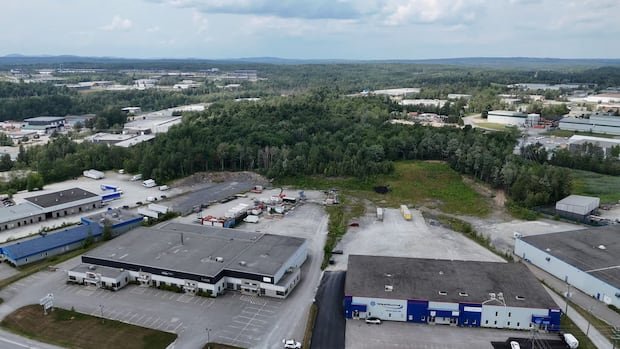

Thousands of residents in Sherbrooke, Quebec, have expressed opposition to a planned large-scale data center, citing lack of transparency from the local council. Concerns raised by residents include the environmental impact and potential noise pollution of the project. They are calling for comprehensive environmental assessments, public consultations, and are questioning the decision to allow a U.S.-based company to construct a massive data center in their community.
Jayson Roy, a resident spearheading the petition, emphasized that the city is selectively highlighting the project’s benefits while disregarding specific worries and failing to consider the broader implications. He stressed that the issues at hand extend beyond individual concerns, emphasizing the need for a more holistic approach.
The municipal council of Sherbrooke is moving forward with a deal involving Keel Infrastructure, a U.S. entity previously known as Bitfarms. The recent approval by the city council for the conditional sale of land on Industriel Boulevard to the company has triggered memories of past controversies related to cryptocurrency operations by the same firm, which were criticized for their noise levels and energy consumption.
Roy, who has a background in the tech industry, also raised concerns about digital sovereignty, highlighting the preference for a Quebec or Canadian company to lead such a project rather than funneling profits to a foreign entity. He emphasized the importance of community input and transparency in decision-making processes.
Responding to the backlash, Sherbrooke officials clarified that the deal is not yet finalized, with Mayor Marie-Claude Bibeau stating that the current approval only authorizes negotiations for the sale of a specific industrial lot, not construction. The city leaders underscored the financial benefits associated with the project, pointing out the significant revenue generated through electricity sales to Hydro-Sherbrooke.
The company has been given a 180-day timeline to complete essential studies, finalize business plans, and meet city-imposed conditions. Bibeau highlighted the implementation of advanced cooling systems to minimize water waste and noise pollution, along with plans for the judicious use of backup generators during peak demand periods.
Despite some opposition from local councillors and residents, Keel Infrastructure assured that the data center project aims to minimize water usage and electricity consumption, with plans to host a public information session in the upcoming months. The company emphasized its commitment to addressing past challenges and urged for a fair evaluation based on current project details.