

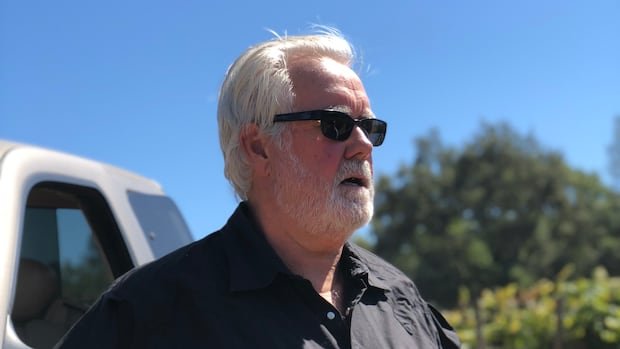

Bill Easton, owner of Terre Rouge Wines in Plymouth, California, used to have a routine shipment of Syrah wine to Montreal every six weeks. However, Quebec’s decision to halt American alcohol sales led to changes in his operations. Now, he pays $1,200 every four weeks to store wine in a climate-controlled facility while waiting for sales in the Quebec market.
The trade negotiations between Canada and the U.S. have put a spotlight on the ban imposed by Canadian provinces on U.S. alcohol products. Winemakers and industry associations express confusion and frustration as their businesses become bargaining chips in international disputes.
Premier Mark Carney urged provinces to reconsider the ban on American alcohol to prevent new tariffs on Canadian goods. While some premiers are willing to comply if the deal is favorable, others are hesitant, concerned about giving up leverage in the trade dispute with the U.S.
The ongoing trade tensions have impacted various American products, including California wines and Kentucky bourbons, leading to threats of tariffs by President Trump. The trade barriers imposed by Canadian liquor boards have been a point of contention between the two countries.
The Oregon Wine Growers Association emphasizes the importance of rebuilding trust and relationships with Canadian buyers through stable trade agreements. The uncertainty surrounding the trade dispute has led to a decline in wine exports from the U.S. to Canada, affecting the livelihoods of wineries.
Despite the potential lifting of the ban on American alcohol, some Canadians remain hesitant to return to purchasing U.S. brands, citing loyalty to Canadian products or personal boycotts. The Distilled Spirits Council of the United States highlights the impact on bourbon exports to Canada and calls for a negotiated solution to restore American spirits to Canadian shelves.
For Bill Easton and other affected businesses, the bans have resulted in significant financial losses. While hopeful for a resolution, they remain cautious until concrete agreements are reached, hoping for a return to normalcy in their operations.