

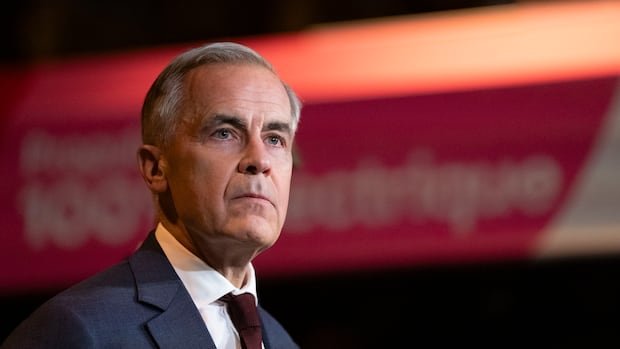

The Trump administration’s most recent set of tariffs on billions of dollars of Canadian goods came into effect shortly after midnight on Saturday following unsuccessful attempts by both countries to reach a trade agreement. Prime Minister Mark Carney stated that Canada would retaliate with equivalent tariffs after the White House imposed hefty 50 per cent tariffs on various products. Despite nearing a deal, Ottawa could not agree to the final terms proposed.
Carney announced the suspension of trade negotiations with the U.S. and instructed Canadian negotiators to return to Ottawa due to last-minute changes in the U.S. terms that were deemed unfair and economically questionable. U.S. President Donald Trump refrained from immediate comments.
U.S. Trade Representative Jamieson Greer expressed that negotiations collapsed because Canada did not accept the terms offered by the administration. Greer mentioned that Canada’s demands and retracting commitments disrupted the balance achieved in the preceding days.
The introduction of new American tariffs and the anticipated Canadian counter-tariffs mark a significant escalation in the trade conflict between the two countries, which were previously known for their robust trade relations. Canadian Trade Minister Dominic LeBlanc engaged in discussions with his American counterpart, Greer, in Washington, D.C., throughout the week in an effort to secure a deal before the deadline.
The specifics of the potential deal were not disclosed, but sources indicated that it would have reduced tariffs affecting Canadian aluminum, steel, and automobile industries. In response, Carney urged Canadian provincial leaders to consider lifting bans on American alcohol.
The fresh tariffs imposed by the U.S. and Canada’s vow to reciprocate are expected to have far-reaching effects on various sectors and provinces. The Canadian Chamber of Commerce criticized the new American tariffs, stating that they would harm North American competitiveness. The Trump administration justified the tariffs as a response to Canada’s actions against U.S. trade policies, particularly targeting the dairy, alcohol, and automotive sectors.
Under the new U.S. policy, a 50 per cent tariff will be levied on a wide range of products, impacting industries such as electronics and plastics. British Columbia and Quebec are anticipated to be disproportionately affected by the new tariffs compared to other provinces, with wood, paper, steel, and aluminum industries being particularly impacted.
The tariff dispute, which has been a focal point of discussions at the highest political levels, is closely monitored by businesses on both sides of the border, anxiously awaiting the outcome and its implications on their operations.