


Duane Squires recalls an incident from the previous year when his oldest son misplaced a Jibbitz shoe charm from his Crocs shoes. Squires and his wife accompanied their son to the presumed location of the lost charm, leading to an emotional search as it held sentimental value for their son, serving as a connection to his late friend. The friend, a 10-year-old basketball teammate, and his 17-year-old brother were tragically stabbed to death by their father, Roman Kamyshnyy.
Following the boys’ deaths, the basketball team paid tribute to the youngest victim by creating Jibbitz and stickers for their water bottles featuring his jersey number. Kamyshnyy was found guilty of two counts of first-degree murder for his heinous act, driven by a desire for vengeance against his ex-wife following their recent divorce.
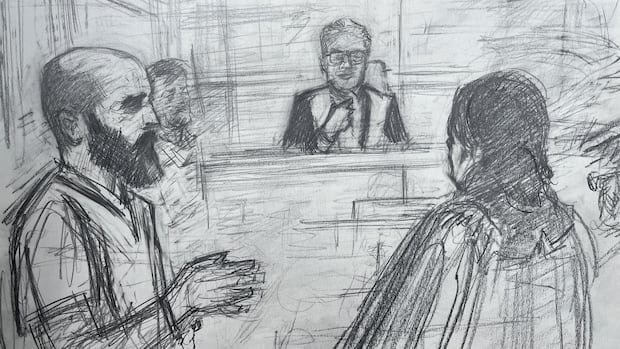
During the trial, evidence revealed Kamyshnyy’s malicious intent, leading Justice Darrell Stephenson to impose two concurrent life sentences without parole for 25 years. Numerous individuals, including Squires and other impacted parties, submitted poignant statements detailing the profound effects of the murders on their lives and the community.
Squires, a detective constable, expressed the lasting impact of the tragedy, especially as his personal and professional worlds collided during the case. The loss of the young victim, A.B., deeply affected Squires and his family, robbing them of innocence and reshaping their perspectives on safety and security.
The devastating impact extended beyond the immediate families, resonating throughout the Saint John High School community and the city at large. Counselor Mary Ashton described the profound emotional toll on students and staff, highlighting the need for ongoing support and the lasting repercussions of the senseless violence.
Lead investigator Det. Const. David MacDonald shared the emotional toll of the case, expressing the haunting nature of the murders and their impact on his well-being. The tragedy deeply affected first responders and justice officials, challenging their ability to cope with the loss of innocent lives.
The murders not only shocked the conscience of Saint John but also undermined the community’s sense of safety and security. The impact reverberated through classrooms, neighborhoods, and public institutions, leaving a lasting mark on the city’s collective history.
As the community grapples with the aftermath, there is a collective call to honor the victims’ memory by strengthening commitments to protect children, support families in distress, and ensure that no one faces fear or suffering alone. The response to this tragedy underscores the importance of unity and compassion in the face of unspeakable loss.