

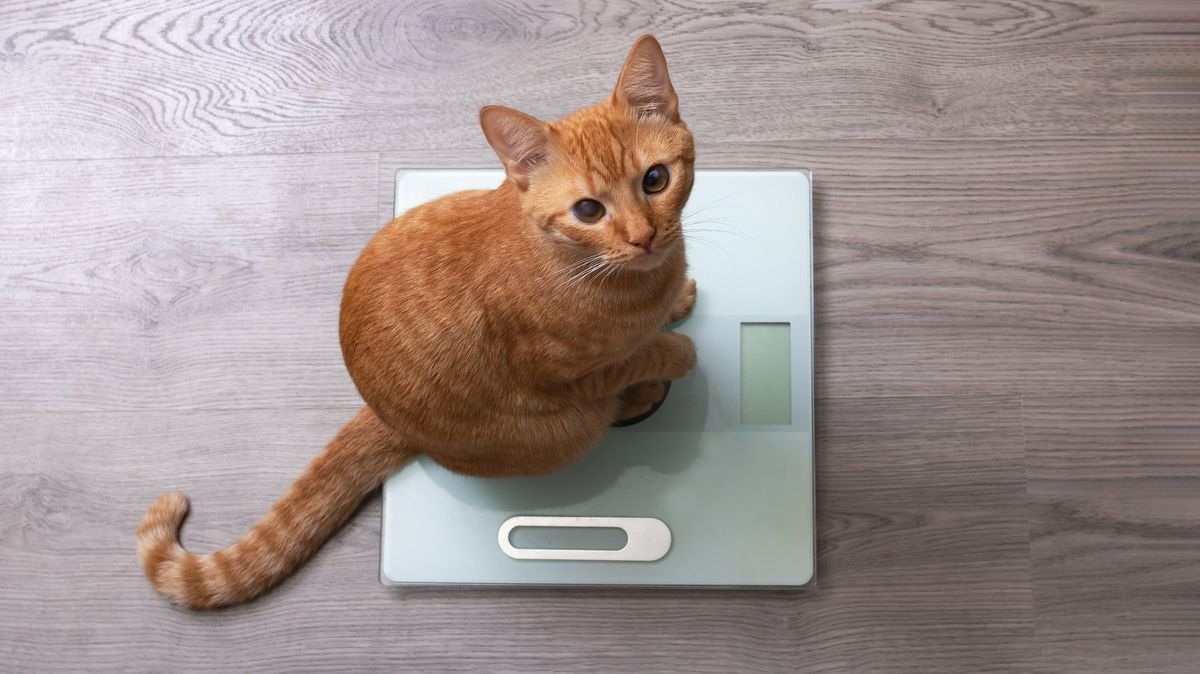

Scientists have initiated an innovative drug trial aimed at aiding overweight pets in shedding pounds. Okava Pharmaceuticals, a US-based company, has launched a study named MEOW-1 (‘ManagEment of Over Weight cats’), marking the first weight loss trial for domestic animals. The trial will involve up to 50 cats receiving an implant and undergoing weigh-ins after three months. If successful, the study may extend to include dogs.
The new drug, OKV-119, is formulated with a tailored version of GLP-1 receptor agonists, similar to those used in popular human weight loss medications like Wegovy and Mounjaro. Okava’s CEO, Michael Klotsman, explained that OKV-119 is designed to simulate the beneficial effects of fasting in pets, such as enhanced insulin sensitivity, reduced fat mass, and improved energy metabolism, without necessitating significant alterations to feeding routines.
According to an Okava spokesperson, the drug has the potential to enhance pets’ quality of life, support healthy aging, and emerge as a highly effective longevity-enhancing therapy for cats. The company aims to offer the drug at a monthly cost below $100 (£75), undercutting the private prescription price of Wegovy in the UK.
Okava has reported positive outcomes from early studies demonstrating the safety and benefits of the implant and GLP-1 treatment for pets. The company asserts that the drug operates similarly in pets as in humans, leading pet owners to anticipate noticeable behavioral changes in their animals.
The MEOW-1 study will be overseen by the US Federal Drug Association under its New Animal Drug (INAD) program, evaluating the safety, tolerability, and weight loss efficacy of OKV-119 in overweight or obese client-owned cats. Okava emphasizes the transformative health advantages of weight management for cats, citing weight reduction as the sole proven method of extending a cat’s lifespan and reducing health risks associated with excess body weight.
Recent statistics revealed that up to 65% of British dogs are overweight or obese, with overfeeding and lack of exercise identified as primary contributors to pet obesity. Despite this, a significant portion of pet owners are unaware of their pets’ weight issues. Concerns have been raised about the portrayal of overweight pets as ‘cute’ or ‘cuddly’ on social media, as excess weight can lead to serious health conditions and a shortened lifespan. Pet owners are advised to address weight problems by monitoring food portions, cutting back on treats, and increasing physical activity.