

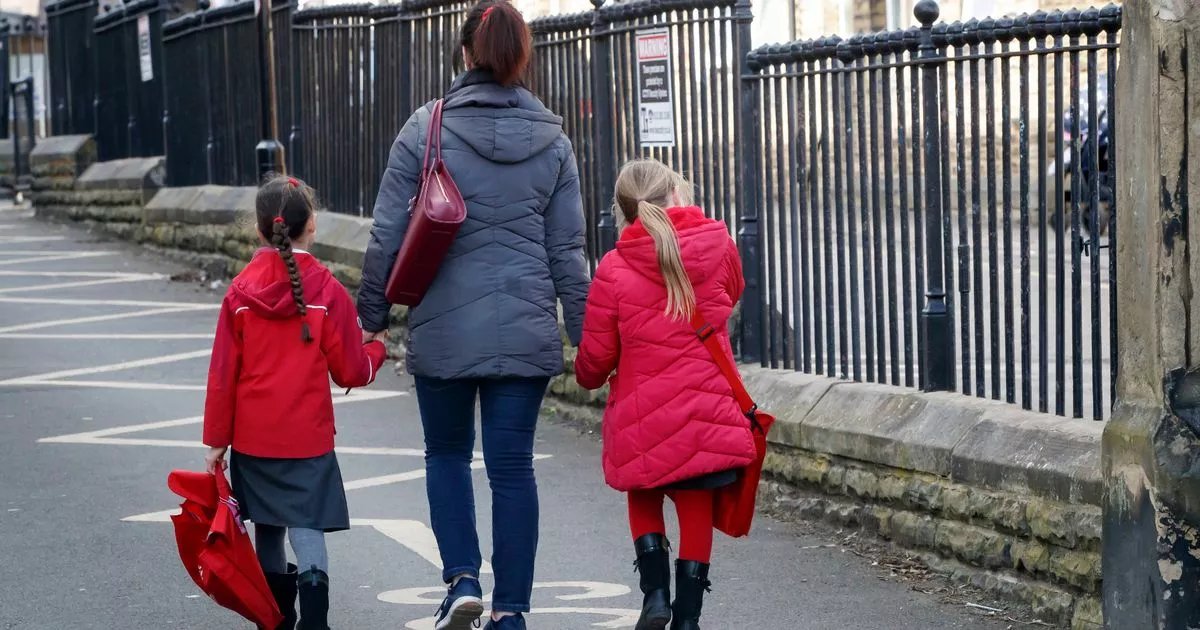

The recent decision to abolish the two-child benefit limit is set to impact nearly 1.7 million children, receiving praise from charitable organizations as Rachel Reeves leads the initiative to eliminate the restriction. Enforced by the Conservative Government in 2017, the limit restricted parents from accessing Child Tax Credit or Universal Credit for more than two children.
This move to reverse the cap in the current year’s Budget was announced by Ms. Reeves, emphasizing the Labour party’s stance against penalizing the most vulnerable children within a flawed welfare system. Treasury estimates suggest that approximately 450,000 children could be lifted out of poverty due to the removal of this policy, which affected a substantial number of households in Great Britain according to Department of Work and Pensions data.
A significant portion of the impacted households, accounting for 59%, were employed and housed around 1.7 million children collectively. The distribution of the policy’s effects varied across regions, with over 40% of children in certain constituencies residing in households affected by the two-child limit.
Various constituencies faced differing impacts, with Hackney North and Stoke Newington having the highest proportion of affected children, followed by Birmingham Ladywood. Other areas like Birmingham Hodge Hill, Solihull North, Bradford East, Tottenham, Bethnal Green, Stepney, Birmingham Yardley, and Walsall and Bloxwich also experienced notable numbers of children impacted by the policy.
The decision to lift the cap has garnered praise from prominent charities as it is expected to alleviate child poverty significantly. Previous calls to abolish the Tory policy by figures like Neil Kinnock have been supported by the Chancellor’s recent move, seen as a positive step in combating child poverty and benefiting the economy.
Joseph Howes, CEO of Buttle UK and Chair of the End Child Poverty Coalition, commended the Chancellor’s decision, highlighting the positive impact on families and children across the nation. The removal of the two-child limit is seen as a beacon of hope for many families, providing children with a better future and increased support for their growth and development.