


Cancer-associated pesticides have been discovered in various common fruits and vegetables in the UK, leading to concerns about public health among activists.
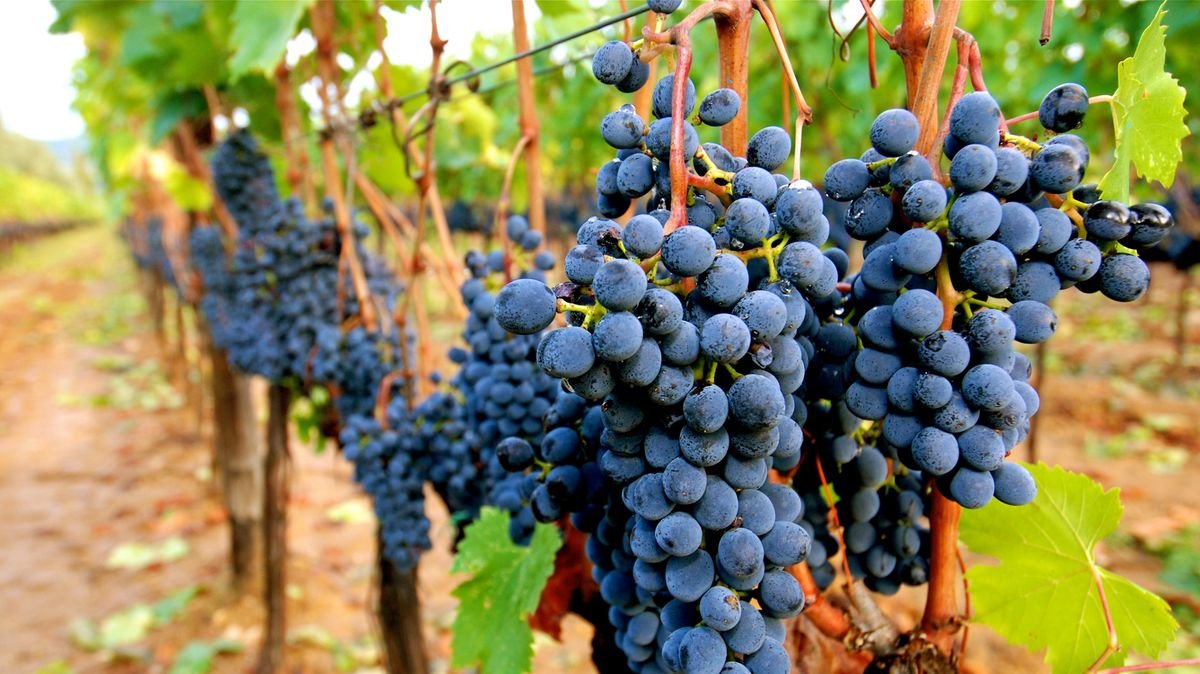
Among these, grapes stood out as the most problematic, with a sample of sultana grapes from Turkey revealing residues of 16 different pesticides. These chemicals, known as pesticides, aid in plant growth by controlling pests like weeds and insects.
Last year, the UK Government examined 3,482 food and drink samples for pesticide residues, sourced from various outlets including supermarkets. Analysis by the Pesticide Action Network UK (Pan UK) revealed the presence of 123 different chemicals across 17 types of fruits and vegetables in 2024.
Of particular concern were 42 pesticides associated with cancer and 21 known to disrupt hormone systems. Pan UK is urging the Government to take action, emphasizing the necessity to eliminate pesticides from the food chain.
Tests on grapes uncovered the presence of several pesticides, including PFA chemicals like fluxapyroxad, cyflufenamid, fluopyram, and trifloxystrobin, notorious for their persistence in the environment.
These PFAs can build up in organisms’ bodies and have been linked to serious health issues. The majority of grape samples tested were found to contain multiple pesticides.
In the case of grapefruit, most samples had multiple pesticide residues, with one sample containing 10 different pesticides. Similar findings were observed in lime, banana, sweet pepper, and melon samples.
One chili pepper sample harbored 11 pesticides, while a broccoli sample contained eight. The Expert Committee on Pesticide Residues In Food reported that over half of the samples tested in 2024 had no detectable residues.
Despite this, Pan UK argues that maximum residue levels (MRLs) do not ensure the safety of pesticide mixtures in food, neglecting other potential exposure routes such as plastic packaging and household products.
Nick Mole from Pan UK highlighted the risks posed by multiple pesticide exposure, citing the potential synergistic effects known as ‘the cocktail effect.’ The campaign group also identified that nearly a third of the pesticides detected are not permitted for use by British farmers.
Pan UK is calling on the UK Government to adopt measures to safeguard consumers from pesticide exposure in food, including reducing overall pesticide usage, extending reduction targets to encompass fruits and vegetables, and restricting imports of food grown with banned pesticides.
However, Cancer Research UK reassures that the levels of pesticides found on food surfaces are regulated and not harmful when consumed. They recommend washing fruits and vegetables before consumption to remove any residual pesticides.
In response, the Department for Environment, Food and Rural Affairs emphasized the stringent limits set on pesticide residues, after thorough risk assessments to ensure public safety, applying to both domestically produced and imported food.