

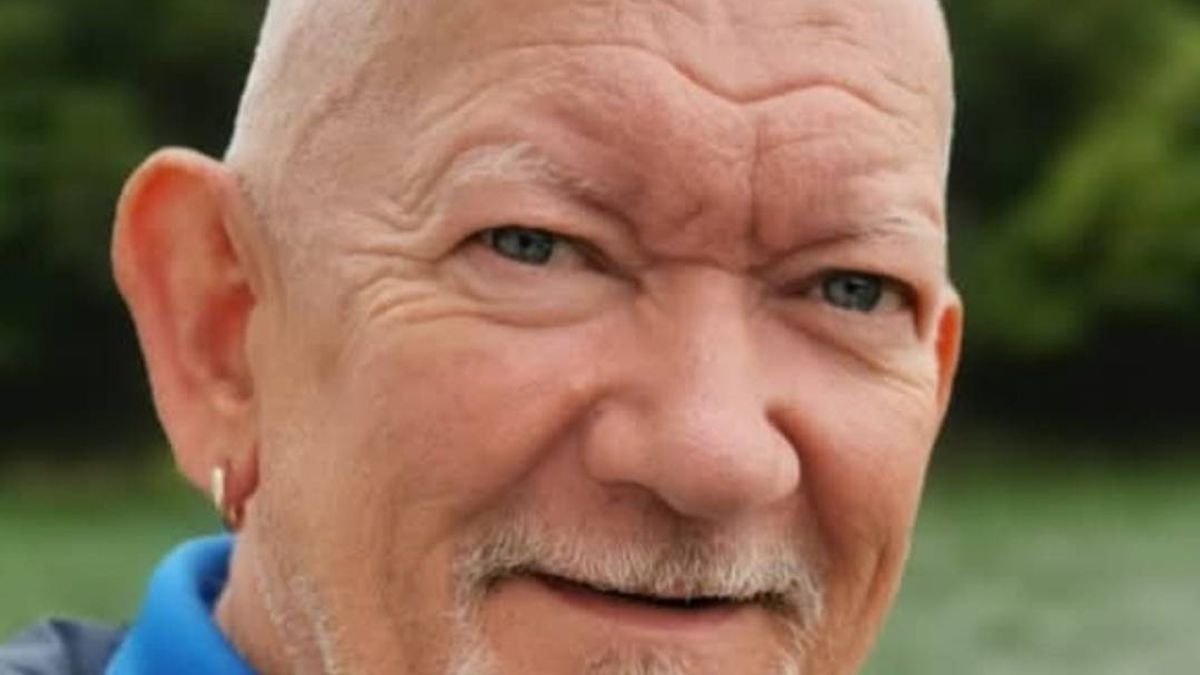

A man who was father to seven children tragically discovered his terminal illness only after a phone call with his GP, who mistakenly assumed he had been informed earlier. William Chapman, also known as Syd, passed away eight months following the diagnosis of pulmonary fibrosis. An investigation by the Parliamentary and Health Service Ombudsman found that doctors at the Countess of Chester Hospital exhibited a concerning lack of accountability, inadequate record-keeping, poor communication with the family, and a failure to learn from their mistakes.
Chapman, aged 58 and a resident of Upton, Cheshire, succumbed to the illness in 2022. Initially hospitalized for worsening breathing difficulties in July 2021 and diagnosed with Covid-19, he was reassured by a junior doctor in September that he would recover, despite lacking evidence to support this claim. By November, a consultant identified pulmonary fibrosis in a letter to his GP.
Pulmonary fibrosis, a condition characterized by lung tissue scarring and thickening, progressively deteriorates lung function, causing increased breathlessness and a persistent dry cough. Unfortunately, there is no cure for this ailment, and treatments can only manage symptoms and slow its advancement slightly. In Chapman’s case, the consultant failed to disclose the diagnosis or provide a copy of the letter to him as per standard protocol.
Chapman’s daughter, Chantelle, expressed disappointment, stating that her father continued to work under the false impression that he would recover, missing out on valuable time with his family. The family lost trust in the NHS due to the lack of transparency. Despite an offer for private treatment, Chapman declined, trusting the NHS. The family believed that medical staff had a responsibility to truthfully convey the patient’s condition, as the misinformation caused significant distress.
The Ombudsman’s investigation revealed that had Chapman been informed of his prognosis, he could have made informed decisions regarding his health. The hospital’s disregard of the family’s concerns, inadequate record-keeping, and delayed response to complaints were highlighted. The Trust, after a prolonged period, acknowledged the failures and implemented improvements, including compensating Chapman’s wife.
The Countess of Chester Hospital NHS Foundation Trust issued an apology, accepted the Ombudsman’s findings, and committed to implementing recommended changes to prevent similar incidents in the future. The Trust expressed regret over the ordeal faced by Chapman and his family and vowed to uphold the necessary improvements.