

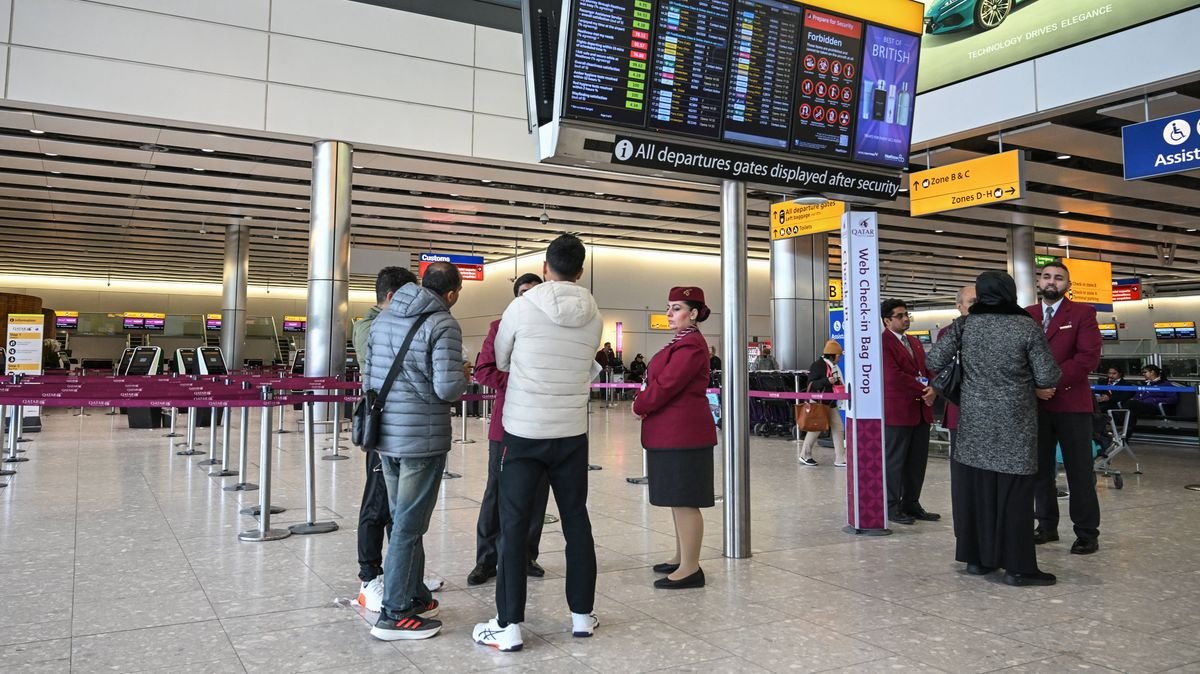

The unexpected conflict in the Middle East has left many travelers and vacationers stranded overseas, catching them off guard. The situation has led to the cancellation of over 20,000 flights in just a few days, affecting a significant number of people.
The domination of long-haul transportation by Middle Eastern airlines has contributed to the large number of individuals finding themselves trapped abroad due to the closure of transport hubs in the region. With Dubai International Airport being the world’s busiest in terms of passenger traffic, accommodating 95 million passengers last year, the scale of the travel disruption is immense.
If you are currently on vacation and need to depart abruptly due to circumstances like war, conflict, extreme weather, major disasters, a serious police incident, or political unrest, your holiday company or airline is responsible for arranging your return journey, depending on the severity of the situation. Additionally, the government may intervene to facilitate the repatriation process by collaborating with airlines.
In such challenging situations, it is crucial to remain calm and stay updated by regularly checking guidance from your airline and monitoring updates on the Foreign Office website. If you are on a package holiday, the holiday provider typically takes charge of repatriation arrangements, often utilizing their own planes. For those who have booked separate flights and accommodations, the airline becomes the primary point of contact for assistance.
While delays are expected during mass disruptions affecting numerous individuals, efforts are made to secure alternative travel options, even if it means booking on a competitor’s flight. It is advisable to keep essential belongings packed, ensure your phone is charged, and have your travel documents easily accessible. Prioritize safety and follow instructions from authorities before heading to the airport.
In case you are scheduled to travel to disaster-affected areas, it is recommended to follow guidance from the Foreign Office website. If travel advisories advise against all but essential travel, you may be eligible for refunds or the option to reschedule your trip without incurring fees. However, some airlines may have specific policies regarding refunds and rebooking, so it is advisable to review their guidelines.
In challenging circumstances such as abrupt evacuations or curtailed holidays, understanding the terms and conditions of your travel arrangements is essential. Businesses typically have clauses in contracts that outline procedures for situations where services cannot be fully provided. Seeking assistance from travel insurers can also be beneficial in navigating unexpected events and potential compensation claims for unused portions of your trip.
Preparing for unforeseen events by securing comprehensive travel insurance, understanding coverage details, and being proactive in contacting insurers in case of emergencies can help mitigate risks associated with travel disruptions. It is advisable to research your destination, check weather forecasts, book using secure payment methods, and consider additional protections offered by travel agents or industry schemes for added peace of mind.