

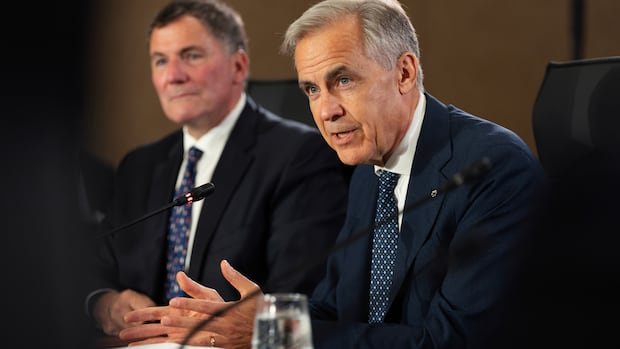

The Canadian government is gearing up to address certain U.S. requests, such as lifting restrictions on American alcohol sales, in return for tariff relief as trade discussions intensify before the upcoming tariff deadline, sources revealed.
President Donald Trump has threatened to impose a new 50 percent tariff on numerous Canadian imports by August 19, citing concerns about provincial alcohol bans, dairy import quotas, and auto tariffs.
According to industry insiders familiar with the negotiations, Canada is open to making concessions on these issues. The possibility of concessions was initially reported by The Globe and Mail.
Apart from ending the alcohol bans, Canada is contemplating lifting retaliatory tariffs on American automobiles and making adjustments in the dairy sector, although specific changes regarding dairy were not disclosed.
In return, Canada is urging the U.S. to discard the proposed 50 percent tariffs, along with relief from sectoral tariffs affecting industries like steel and aluminum, and a mutual agreement to resume talks on the Canada-United States-Mexico Agreement (CUSMA) in the fall.
The alcohol bans and auto tariffs were part of Canada’s initial response when Trump threatened tariffs upon returning to the White House last year.
Trump’s announcement of the impending 50 percent tariffs was based on U.S. grievances regarding how Canada manages tariff-rate quotas for American dairy products, arguing that the European quotas are handled differently.
The sources also indicated that Canada is working towards reducing sectoral tariffs, encompassing goods such as steel, aluminum, lumber, and automobiles, which were imposed last year. However, American negotiators have firmly stated that these levies will not be entirely lifted.
Details about the ongoing discussions emerged following a meeting between Canada-U.S. Trade Minister Dominic LeBlanc, Canada’s chief trade negotiator Janice Charette, and U.S. Trade Representative Jamieson Greer in Washington.
LeBlanc described the meeting as “productive and thorough” in a social media post. When questioned about specifics of the trade talks, LeBlanc’s office declined to provide any details.
With the August 19 tariff deadline looming, sources indicated that the Canadian delegation has strongly emphasized to the U.S. that missing this deadline could halt further negotiations, as there would be no political will in Canada to continue talks if tariffs are imposed.
Both sides have agreed to hold daily meetings at various levels leading up to the deadline. Several provincial governments removed American alcohol from provincially run liquor stores, causing a sharp decline in U.S. exports of wine, beer, and spirits to Canada. U.S. spirit producers have expressed that the ban has severely impacted their sales, and American wine sales in Canada plummeted by $343 million in 2025.
During a recent annual meeting of premiers, Trump’s latest tariff threat was issued. Despite the alcohol bans being a recent point of contention, several premiers adamantly refused to restock American alcohol.
B.C. Premier David Eby stated, “There is no chance that U.S. alcohol will be reintroduced.” Prime Minister Mark Carney, who participated in parts of the meeting, clarified that restocking American alcohol ultimately falls under provincial jurisdiction, but suggested that changes to alcohol bans should be part of a broader agreement.
Following the meeting with Greer, LeBlanc briefed provincial and territorial governments. Carney emphasized the need for a comprehensive trade deal and stressed the focus on strategic sectors like automobiles as the deadline approaches.
Carney previously mentioned discussions with Trump to intensify trade talks. Trump criticized Canada during a recent rally, calling the country “nasty” but Carney brushed off the comment, emphasizing Canada’s commitment to its workers and businesses.
Conservative Leader Pierre Poilievre criticized Carney’s approach to the tariff dispute, urging him to secure better trade outcomes. Carney, in response, reiterated the government’s dedication to advocating for Canadian interests.