

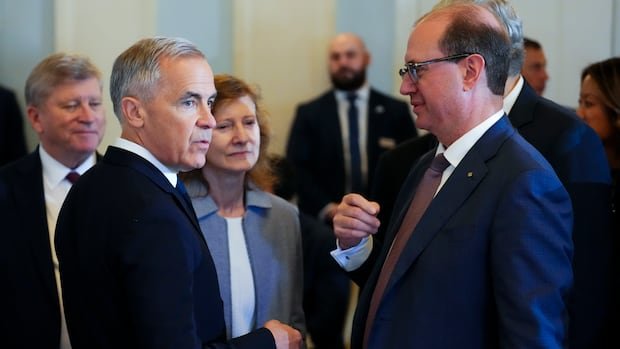

Canada’s envoy to the United States emphasized the necessity of reinstating American alcohol in Canadian stores as a crucial step in finalizing a trade agreement with the U.S. to prevent additional tariffs, as reported by CBC News. Ambassador Mark Wiseman conveyed this message during a comprehensive briefing on the potential trade pact to approximately 100 members of the Canada-U.S. trade council.
The council, comprising businesses, industry associations, and labor unions, also received insights from a former Canadian chief trade negotiator who expressed reservations about the agreement. Canadian negotiators are currently engaged in urgent discussions with the Trump administration in Washington to avert a 50% tariff imposition on Canadian exports, with the deadline set for midnight Friday.
In his briefing, Wiseman outlined a preliminary consensus to avoid the proposed tariffs, as disclosed by sources familiar with the call. The sources, who preferred anonymity due to the sensitive nature of the discussion, revealed that around 35 Canadian officials are actively working at the Canadian Embassy in Washington to finalize the agreement’s language within a 24 to 48-hour timeframe.
The proposed deal involves reducing tariffs on steel, aluminum, and automobiles, as well as modifications to the allocation of dairy import licenses by the government. However, concerns have been raised within the council regarding potential consequences for the dairy industry, as increased American dairy products could flood Canadian markets.
Following Wiseman’s departure from the call, former chief trade negotiator Steve Verheul cautioned council members about the risks associated with the proposed deal. Verheul, renowned for his role in negotiating the Canada-U.S.-Mexico Agreement and the previous NAFTA talks, highlighted the immediate threat posed by Trump’s Section 338 tariffs and the long-term implications of conceding to certain terms.
Verheul’s message underscored the importance of retaining leverage during trade negotiations, particularly with the upcoming CUSMA review. He emphasized that accepting sectoral tariffs and making significant concessions could potentially weaken Canada’s position and invite further demands from the U.S. industry.
Additionally, Verheul stressed the importance of formalizing Canada’s rejection of the administration’s sectoral tariffs and maintaining the goal of duty-free trade in future discussions. Concerns were also raised regarding the lack of industry consultation by the Canadian government compared to the detailed briefings provided to U.S. counterparts by the Trump administration.
Notably, former finance minister and deputy prime minister Chrystia Freeland, a key figure in the NAFTA renegotiation process, participated in the council’s call. Freeland raised concerns about the permanence of agreed tariffs and the challenges of reversing such decisions in the event of policy changes in Washington.