

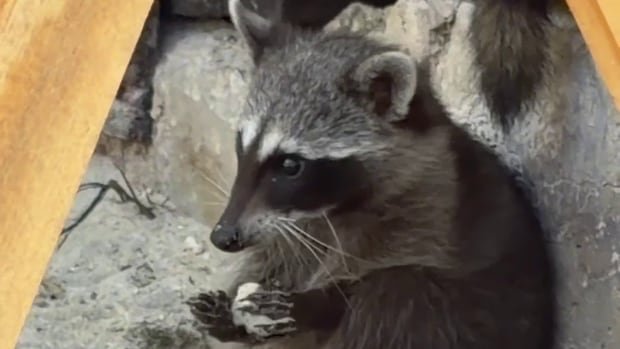

Biologist Nessie O’Neil had an eye-opening experience when she witnessed a pygmy raccoon crafting a toy ball from trash, leading to a significant scientific revelation. O’Neil, based at Miami University in Ohio, initially found the behavior adorable but soon recognized its importance upon consulting her advisor. This discovery, now detailed in the Wild journal, showcases the tiny Mexican raccoons scavenging for materials in bins to create playthings, a form of “material culture” never before documented within the Procyonidae family.
Pygmy raccoons, a critically endangered species unique to Cozumel Island in Mexico, display playful tendencies despite their challenges. These raccoons, distinct from their larger mainland relatives, exhibit remarkable skills in utilizing found objects for entertainment, a behavior witnessed by O’Neil during her observations at a beach club. The raccoons’ resourcefulness in crafting and playing with paper balls sheds light on their adaptability in the face of habitat loss due to development.
While the raccoons’ innovative behavior has intrigued researchers like Benjamin Beck, who notes the rarity of animals creating their toys, concerns persist over the species’ survival. With only around 200 pygmy raccoons remaining, their population decline is exacerbated by reliance on human food scraps leading to malnourishment. O’Neil hopes this research will raise awareness about the plight of these unique creatures and prompt conservation efforts to protect their shrinking habitat. By refraining from feeding and disrupting the raccoons’ natural behaviors, tourists and locals alike can contribute to preserving this endangered species’ existence.