

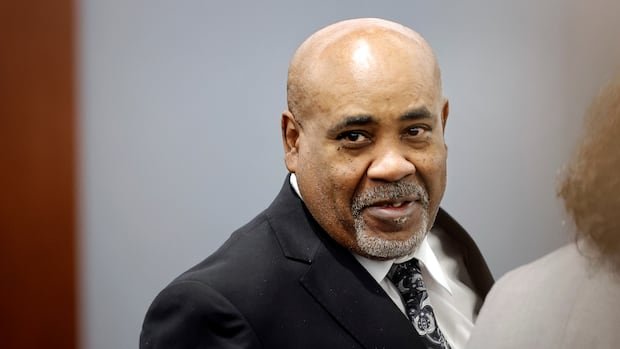

In a recent court proceeding, jurors were presented with an audio recording from a 2008 police interview where Duane (Keffe D) Davis implicated his nephew Orlando (Baby Lane) Anderson as the shooter responsible for the tragic death of rapper Tupac Shakur in 1996. Davis, who allegedly orchestrated the killing, recounted to Los Angeles police that he and Anderson were in a white Cadillac with two other individuals when the fatal shots were fired at Shakur and Death Row Records head Marion (Suge) Knight. Davis admitted that Anderson took the gun and fired the shots after passing it up from the back seat.
During the playback of the audio recording, jurors attentively listened while Davis detailed the events leading to Shakur’s death. This marked the first time Davis openly discussed his role in the incident with authorities, presenting crucial evidence for the prosecution’s case against the 63-year-old suspect. Prosecutors emphasized the significance of Davis’s statements in various interviews, podcasts, and his co-authored memoir, “Compton Street Legend.”
Despite his previous denial of involvement, Davis pleaded not guilty, and his defense attorney dismissed the prosecution’s narrative as fictional. The lawyer argued that Davis’s accounts lacked supporting evidence and criticized investigators for failing to validate his client’s claims. Davis had initially been a suspect in the unsolved 1997 shooting of Shakur’s rival, the Notorious B.I.G., but was later cleared of suspicion.
Prosecutors contended that Davis breached confidentiality agreements by later divulging details of the shooting, thereby voiding any protection granted during the initial conversations with law enforcement. The motive behind Shakur’s murder, according to prosecutors, stemmed from an earlier altercation where Shakur’s associates allegedly assaulted Anderson, prompting a retaliatory attack.
The enduring legacy of Tupac Shakur, who was a prominent figure in both music and acting at the time of his death, continues to captivate audiences worldwide. Despite the passage of time, Shakur’s impact on the rap scene and cultural landscape remains profound, solidifying his status as an enduring icon.