

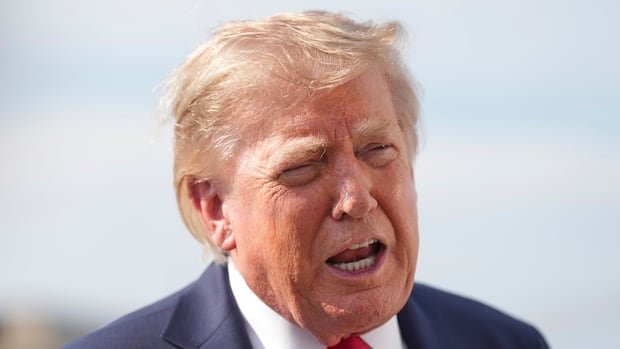

U.S. President Donald Trump has expressed his belief that Canada desires the advantages of being a U.S. state without officially becoming one. Trump made these remarks in a brief post on his Truth Social platform following the breakdown of trade discussions between the two nations and the implementation of new U.S. tariffs.
Accusing Canada of imposing significant tariffs on American farmers over the years, Trump emphasized in his post that this situation would no longer continue. The Canadian government has not provided an immediate response to Trump’s comments, despite his repeated statements since the start of his second term in 2025 about his desire for Canada to become the 51st U.S. state.
Following unsuccessful negotiations aimed at securing a trade agreement, a 50% tariff on a variety of Canadian goods was put into effect. Prime Minister Mark Carney stated that Canadian negotiators withdrew from the talks due to what they considered unacceptable demands from the Trump administration, particularly restrictions on Canada’s ability to engage in trade deals with other nations.
Carney announced that Canada would reciprocate with “dollar for dollar” tariffs on U.S. goods starting on September 8. The new U.S. policy entails imposing 50% tariffs on numerous products valued at over $28 billion, ranging from plywood and cement to wine and hockey sticks.
Various provincial and territorial premiers have supported Carney’s decision to walk away from the negotiations. Ontario Premier Doug Ford commended the prime minister for not signing the pact, citing it as a detrimental deal that required a strong response in kind.
U.S. Trade Representative Jamieson Greer stated that there are no plans for further discussions with Canada, emphasizing the U.S. focus on safeguarding American workers and supply chains. Greer highlighted that the Trump administration had proposed reducing tariffs on steel, automobiles, and lumber, suggesting that Canada had missed an opportunity for a beneficial deal.
In response to the escalating trade tensions, Jamie Gillies from St. Thomas University mentioned that there is an anticipation for Canada to match U.S. tariffs equally. Gillies emphasized that despite the current dispute, there may be room for both countries to return to the negotiating table before Canada’s retaliatory tariffs take effect in September.
The situation is dynamic, with potential pressure on the U.S. administration to find common ground as the cost of living rises in the U.S., becoming a crucial issue leading up to the upcoming November midterm elections. There could be an opportunity for both countries to de-escalate tensions and reach a mutually beneficial agreement beyond the current tariff standoff.