

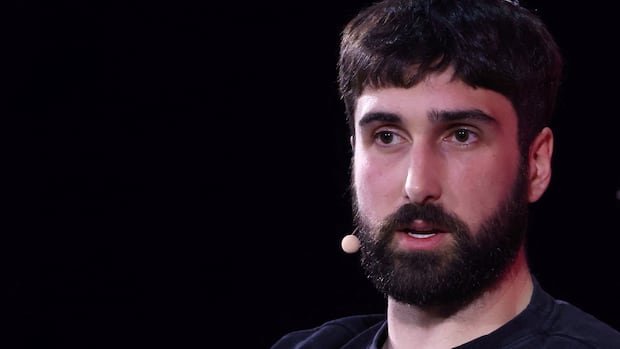

The CEO of a prominent artificial intelligence company in Canada is cautioning against succumbing to “fearmongering” amidst concerns raised by an Anthropic researcher suggesting a more than 10 percent likelihood of AI posing a threat to humanity within the next ten years. Aidan Gomez, representing Toronto-based Cohere, emphasizes the importance of establishing new protective measures for AI while also considering the potential benefits such as cost reduction and medical advancements.
Gomez dismisses the notion of an extinction risk as fear-inducing and unsubstantiated, attributing it to fictional narratives like those seen in movies such as “Terminator.” He expresses alignment with Prime Minister Mark Carney’s proposal for a global oversight body to address the perceived lesser risks associated with AI. Canada, according to Gomez, holds a significant position in the global AI landscape alongside the United States, China, and France due to its early involvement in research and technological advancements.
Asserting Canada’s role in pioneering AI technology and advocating for controlled deployment on a global scale, Gomez affirms Cohere’s commitment to contributing on behalf of the country. The company specializes in developing generative AI models for businesses and has established partnerships with the federal government and Bell Canada.
The recent investment summit in Toronto, aimed at attracting $1 trillion in new investments to Canada over the next five years, saw the introduction of various projects, including a substantial data center initiative near Medicine Hat, Alta. Bell Canada also announced plans to expand an AI data center near Regina, while TD Bank and Scotiabank pledged significant financing for infrastructure projects, with a focus on AI development.
Carney stresses the importance of speed and predictability in advancing Canada’s investment agenda, emphasizing that efficient decision-making processes offer a competitive edge. However, amidst calls for a slowdown in cutting-edge AI development by industry leaders in the U.S., Gomez opposes the idea of industry-led oversight that could potentially alter antitrust regulations to influence government control over AI regulation.
Gomez advocates for a global approach to overseeing AI safety, echoing Carney’s proposal for a “technology stability” body to ensure the safe utilization of AI technologies. He underscores the importance of reaping the benefits of AI, including cost efficiency and medical breakthroughs, while addressing safety concerns.
Looking ahead, the federal minister for AI and digital innovation, Evan Solomon, underlines the government’s commitment to prioritizing AI safety through collaborative efforts with Canadian AI pioneer Yoshua Bengio and Germany. Solomon emphasizes the need for safety regulations and international agreements to mitigate risks and maximize opportunities arising from new technologies.
Despite the challenges posed by the competitive landscape between the U.S. and China in AI development, industry experts believe that establishing effective international safeguards is feasible, drawing parallels to past collaborations on significant scientific advancements. Canada’s focus on data sovereignty and national security in foreign investment projects is seen as crucial, with calls for protective measures to safeguard strategic capacities and computing resources for Canadian businesses.