


The Federal Reserve implemented its first interest rate hike since 2023 on Wednesday to combat persistent high inflation, potentially triggering a strong reaction from the White House.
This quarter-point increase elevates the Fed’s key rate to approximately 3.9%, which could lead to increased borrowing expenses for American mortgages, auto loans, and credit cards over time. The Fed’s rate-setting committee also indicated in its quarterly projections that another rate hike is anticipated later this year, targeting a rate of 4.1%.
In a statement, the Fed mentioned that the current policy action aims to facilitate a prompt return to the central bank’s two percent inflation objective.
This move comes at a time when Americans are already grappling with elevated costs of groceries, fuel, and housing. Affordability has emerged as a significant concern leading up to the upcoming midterm elections, just seven weeks away.
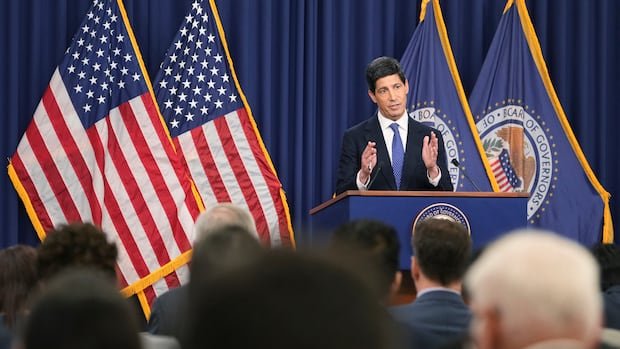
During a press conference following the Fed’s announcement, Fed Chair Kevin Warsh acknowledged the resilience of the job market but expressed concerns over inflation persisting above the Fed’s two percent target for an extended period.
Warsh’s decision to raise rates marks a notable shift from his earlier stance. As the nominee appointed by U.S. President Donald Trump and assuming the top position in May, Warsh had previously suggested the possibility of reducing the key rate, aligning with Trump’s push for lower borrowing expenses.
Despite Trump expressing continued confidence in Warsh and attributing blame to the individuals Warsh collaborates with, he criticized the current interest rates as being excessively high, attributing the situation to a board he views as contentious and politically motivated.
Ongoing disruptions stemming from the Iran conflict, which have contributed to a more than seven percent surge in average gas prices within a month, pose a risk of further exacerbating inflation across the economy. Recent inflation data indicated a rise in core prices, excluding food and energy, in August.
The Fed’s preferred inflation metric reported a 3.7% increase in July compared to the previous year. Earlier on Wednesday, the government disclosed a 1.2% increase in retail sales for August, suggesting that consumer spending remains robust despite prevailing economic concerns.
The Fed underscored that while uncertainties persist, domestic spending has remained resilient, likely buoyed by ongoing consumer expenditures and substantial investments in AI data centers by major technology firms.
Further rate hikes remain a possibility, with Wall Street investors anticipating a total of three increases, including additional hikes in December and March.
The recent interest rate hike in the U.S. does not necessarily foreshadow similar actions in Canada any time soon, according to economists. Canada is also contending with rising inflation propelled by escalating energy prices due to geopolitical tensions. While inflation in Canada stood at three percent in August, above the Bank of Canada’s two percent target, experts suggest the U.S. faces a more acute inflation challenge.
Diverging economic conditions between the two countries, including weaker economic performance in Canada alongside tariffs and elevated unemployment, indicate that Canada may not face the same urgency to raise rates as the U.S.
Analysts predict that while both countries confront inflationary pressures and rising bond yields, they are entering these circumstances from distinct starting points. Consequently, the U.S. is anticipated to raise rates in September, whereas the Bank of Canada is not expected to follow suit until 2027.