

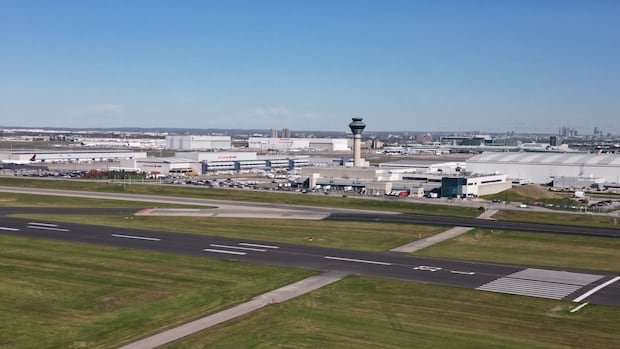

Prime Minister Mark Carney expressed his desire on Tuesday for private investors to assume control of operations at Canada’s primary airports in Toronto, Montreal, Calgary, and Vancouver. During a government-led investment summit in Toronto, he outlined a policy shift that would retain federal ownership of airport land and assets while enabling Ottawa to redirect funding from major airport operations towards smaller regional airports, potentially reducing costs for travelers at those locations.
Currently, Canada’s airports are managed by private, not-for-profit airport authorities that lease the facilities from the federal government. These authorities are financially autonomous and responsible for setting fees and covering operational expenses. Under Carney’s proposal, investors would be able to oversee airport operations for specific lease periods, with Transport Canada retaining regulatory oversight.
Karen Hennessey, a business law partner at Gowling WLG’s Ottawa office, suggested that Carney’s plan would likely necessitate legislative adjustments. She explained that the proposed concession agreement would outline expectations regarding service quality, safety standards, passenger costs, and employee management for the investor. It would not be a situation where the concessionaire could operate the airport independently, as specific terms and conditions would be outlined in the agreement.
The negotiation process for such agreements could take six to nine months or longer, depending on the parties’ motivations and the complexities involved. Privately operated airports are uncommon in North America but more prevalent in other regions worldwide, with a study indicating that over half of the top 100 busiest airports in 2018 had private sector involvement.
Carney highlighted that Canadian pension plans have investments in foreign airports and emphasized the importance of bringing that expertise back home. The Australian Competition and Consumer Commission’s observations on airport privatization in Australia indicated potential price increases for passengers when airports transition to private ownership but noted overall satisfaction with services.
Deborah Flint, CEO of the Greater Toronto Airports Authority, expressed openness to private-sector investments that enhance the existing public ownership model, which has successfully overseen major expansions at Toronto Pearson airport. The Canadian Airports Council cautiously approached the privatization discussions, emphasizing the importance of investments that support growth and affordability for Canadian travelers.
Opposition parties, including the NDP and Bloc Québécois, voiced concerns about the prime minister’s plan, citing potential cost increases for travelers and the transfer of critical public assets to private entities. Conservative Leader Pierre Poilievre called for transparency in the policy details to ensure the protection of Canadians’ interests.
Previous attempts to privatize Canada’s major airports, initiated during former prime minister Justin Trudeau’s tenure, did not progress following mixed feedback. Recommendations for long-term leases to private investors were proposed to generate revenue, but the government ultimately decided against selling off Canadian airports in 2018.