

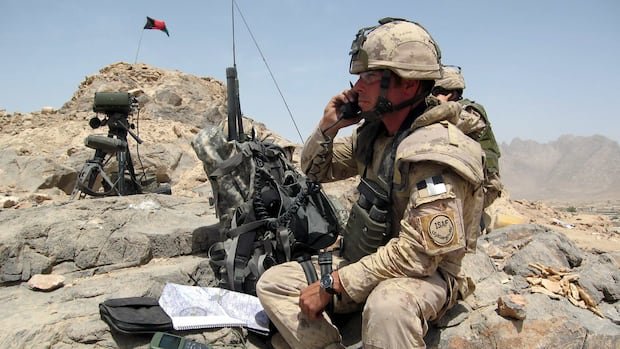

As Canadian forces advanced across the Arghandab River, former corporal Bruce Moncur sensed trouble when he spotted a green pen flare streaking through the sky, a color he knew belonged to the Taliban as NATO typically used red flares in Afghanistan. The presence of the green flare signaled that they had walked into a trap.
Recalling the events of that fateful day 20 years ago with vivid clarity, Moncur described the start of Operation Medusa, a brutal battle that unfolded in the vineyards and villages of Kandahar. On September 2, 2006, the operation commenced with artillery and air bombardment, followed by Moncur’s unit venturing to cross the river.
Encountering a well-entrenched enemy armed with machine guns, rocket-propelled grenades, and small arms, the Canadian troops faced a determined Taliban force that opted to stand and fight, leading to a five-hour firefight. More than 2,000 NATO troops, including over 1,000 Canadians, participated in the operation, making it the largest battle the Canadian forces had seen since Korea and their most significant conventional operation in the Afghan conflict.
Moncur’s unit, part of Charles Company, 1st Battalion Royal Canadian Regiment, found themselves ensnared in the insurgent ambush as they advanced towards their target, a schoolhouse occupied by the Taliban. The intense battle claimed the lives of four Canadian soldiers and left 16 others wounded before the order to retreat was given.
The Taliban’s unexpected fierce resistance, involving an estimated 1,000 insurgents, caught the Canadian forces off guard. The insurgents’ level of training, coordination, and equipment indicated a shift in tactics compared to previous encounters. Speculation arose about potential Pakistani intelligence involvement in bolstering the insurgents’ capabilities.
During the conflict, a tragic friendly fire incident occurred when an American aircraft mistakenly attacked Canadian positions, resulting in casualties, including Moncur sustaining a severe head injury. Following the ordeal, Moncur underwent a grueling recovery process, highlighting the toll of war on the soldiers.
The operation’s strategic redirection and the subsequent defeat of the insurgents marked a turning point in the conflict, forcing the Taliban to revert to guerrilla tactics. The events of Operation Medusa underscored the dedication and sacrifice of the Canadian forces in the face of adversity.
The battle’s aftermath left a lasting impact, not only on the military outcome but also on the political landscape, as it demonstrated the resolve of the Afghan people and their allies in the fight against insurgency.