


Researchers assert that a lack of understanding regarding marine life is impeding conservation efforts. Consequently, a number of scientists are urgently working to identify and document the myriad species inhabiting ocean environments that are typically challenging for humans to explore.
According to Ocean Census, a worldwide initiative involving scientists and non-profit organizations, less than 10 percent of approximately 2.2 million species—including fish, marine mammals, shellfish, plankton, squid, jellyfish, and others—have been cataloged.
“It’s incredibly challenging to protect what remains unknown,” remarked Michelle Taylor, the scientific leader at Ocean Census.
Among the 57 newly identified species revealed in October from an Ocean Census expedition off the coast of Argentina last year, is a sea cucumber with horn-like appendages, affectionately named Loki, and a vibrant red-orange coral displaying slender branch fans.

This newly discovered sea cucumber, dubbed Loki due to its distinct horned appendages reminiscent of the Norse deity, was located in the Mar del Plata submarine canyon off Argentina. (ROV SuBastian/Schmidt Ocean Institute)
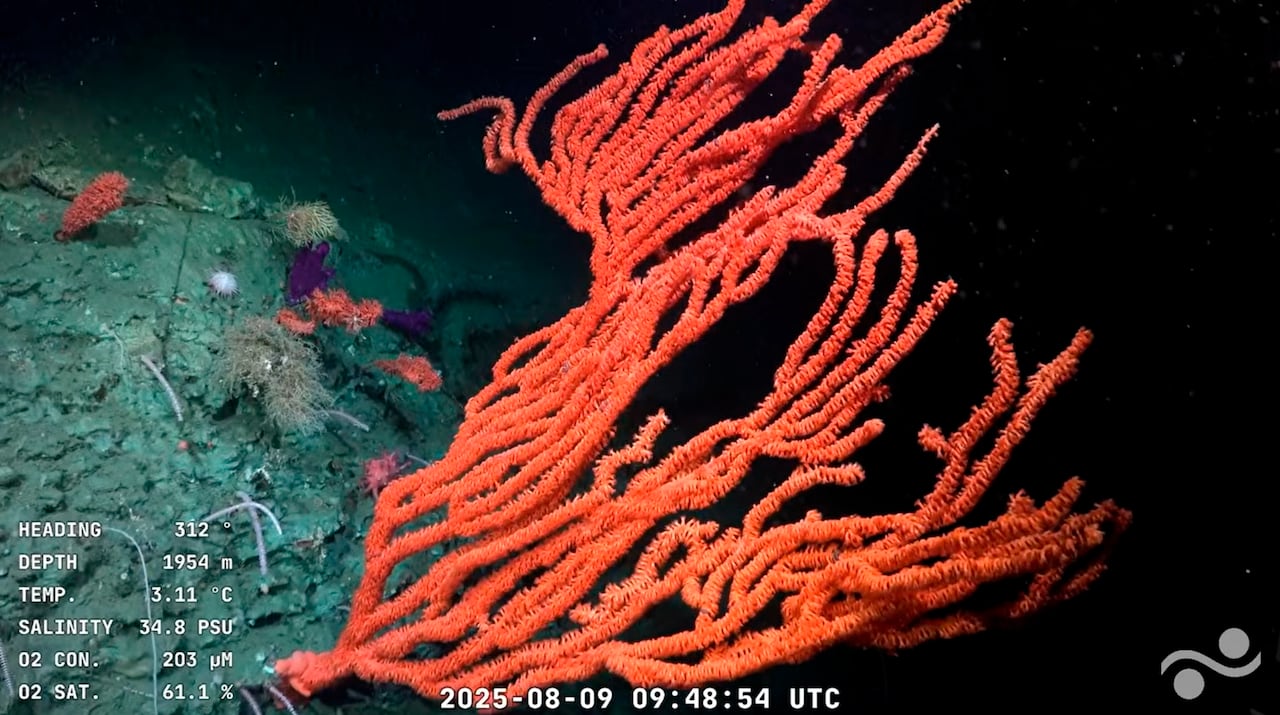
A vivid, bright red-orange octocoral was captured nearly 2,000 meters beneath the ocean’s surface in the Mar del Plata canyon of Argentina. (ROV SuBastian/Schmidt Ocean Institute)
A significant biodiversity agreement reached by the UN in 2022 aims to safeguard 30 percent of the planet’s land, water, and marine environments by 2030, yet has been falling short in ocean conservation, with only 12 percent of oceans (in comparison to 27 percent of land) designated for protection by 2030.
As reported by the Canadian Parks and Wilderness Society (CPAWS), Canada has currently protected 15.5 percent of its marine areas.
Claire Goodwin, a research scientist at the Huntsman Marine Science Centre in St. Andrew’s, N.B., emphasized the importance of preserving regions rich in biodiversity.
“However, if you’re not conducting surveys on your marine life and are unaware of what exists, you can’t identify those biodiverse regions,” she stated.

A cone jelly captured by the remotely operated vehicle SuBastian off the coast of Argentina. (ROV SuBastian/Schmidt Ocean Institute)
Carnivorous sponges that provide habitat
The challenge lies in the fact that numerous regions, even within Canada, remain hard to explore. Goodwin participated in an expedition in the Saguenay Fjord in Quebec in 2023.
On the steep cliffs, where only a single sponge species had been previously recorded, her team uncovered 20 to 30 sponge species, including several new to science.
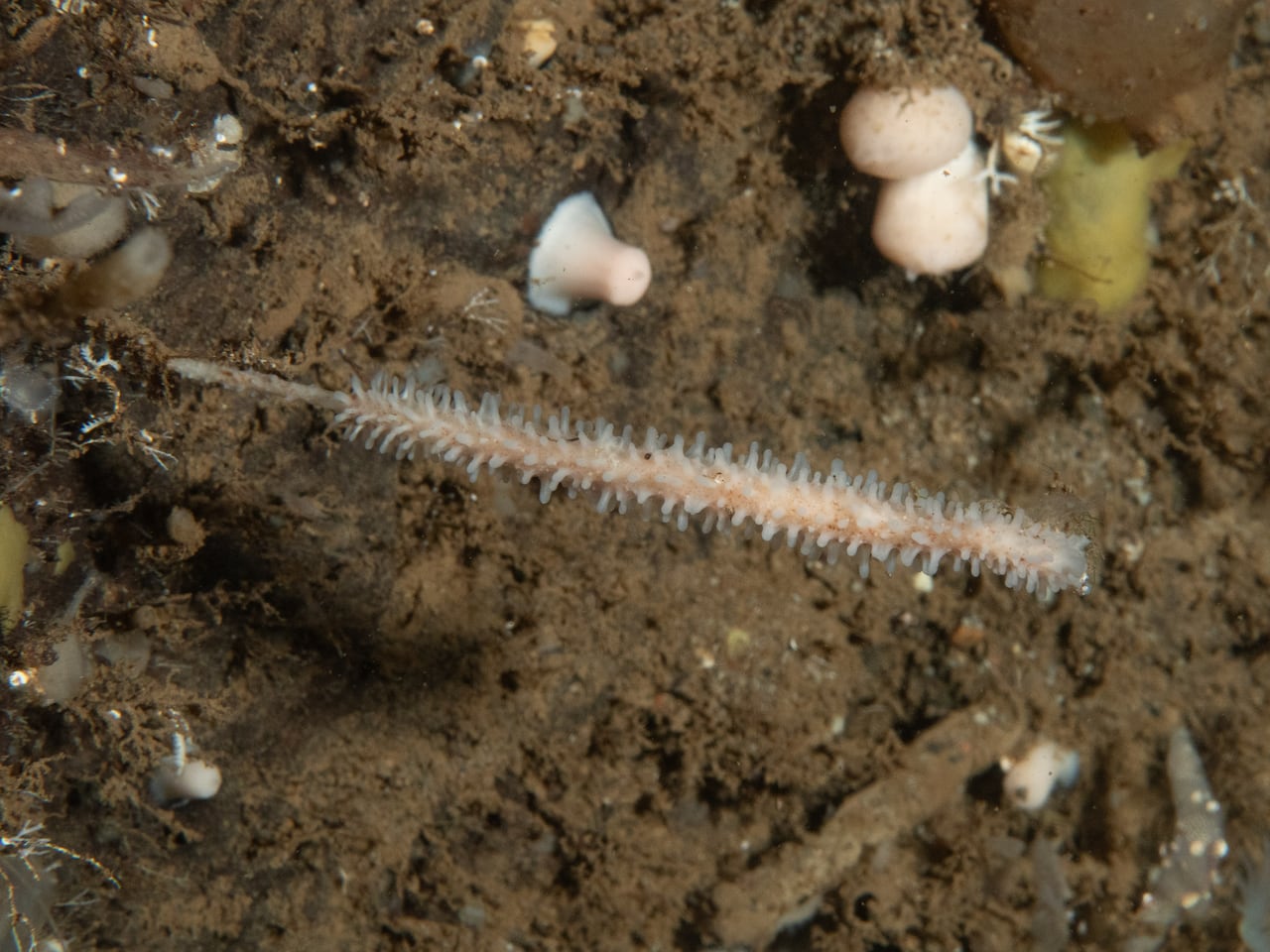
Carnivorous sponges were discovered in Quebec’s Saguenay Fjord in 2023. (Claire Goodwin/HMSC)
Among these were carnivorous sponges that ensnare shrimp using glass, velcro-like structures to digest them slowly, which Goodwin found particularly thrilling, as most sponges are passive filter feeders.
She explained that sponges play crucial roles in their ecosystems — serving as sustenance for sea stars, habitats for certain worms, and spawning grounds for some fish. In Canadian waters, sponges can grow to nearly half the size of an adult human.
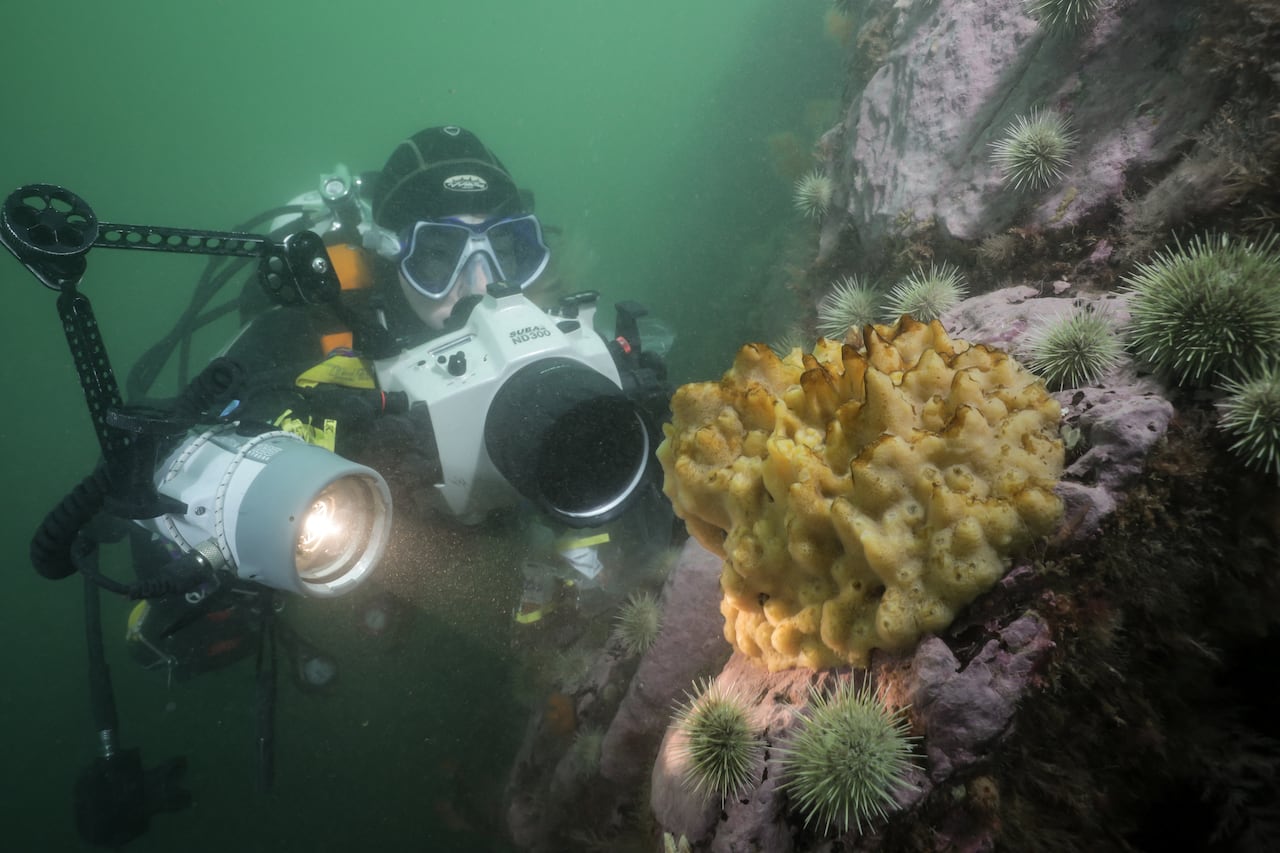
Claire Goodwin collects sponges in the Bay of Fundy off New Brunswick’s coast. (Torben Brydges/Fisheries and Oceans Canada)
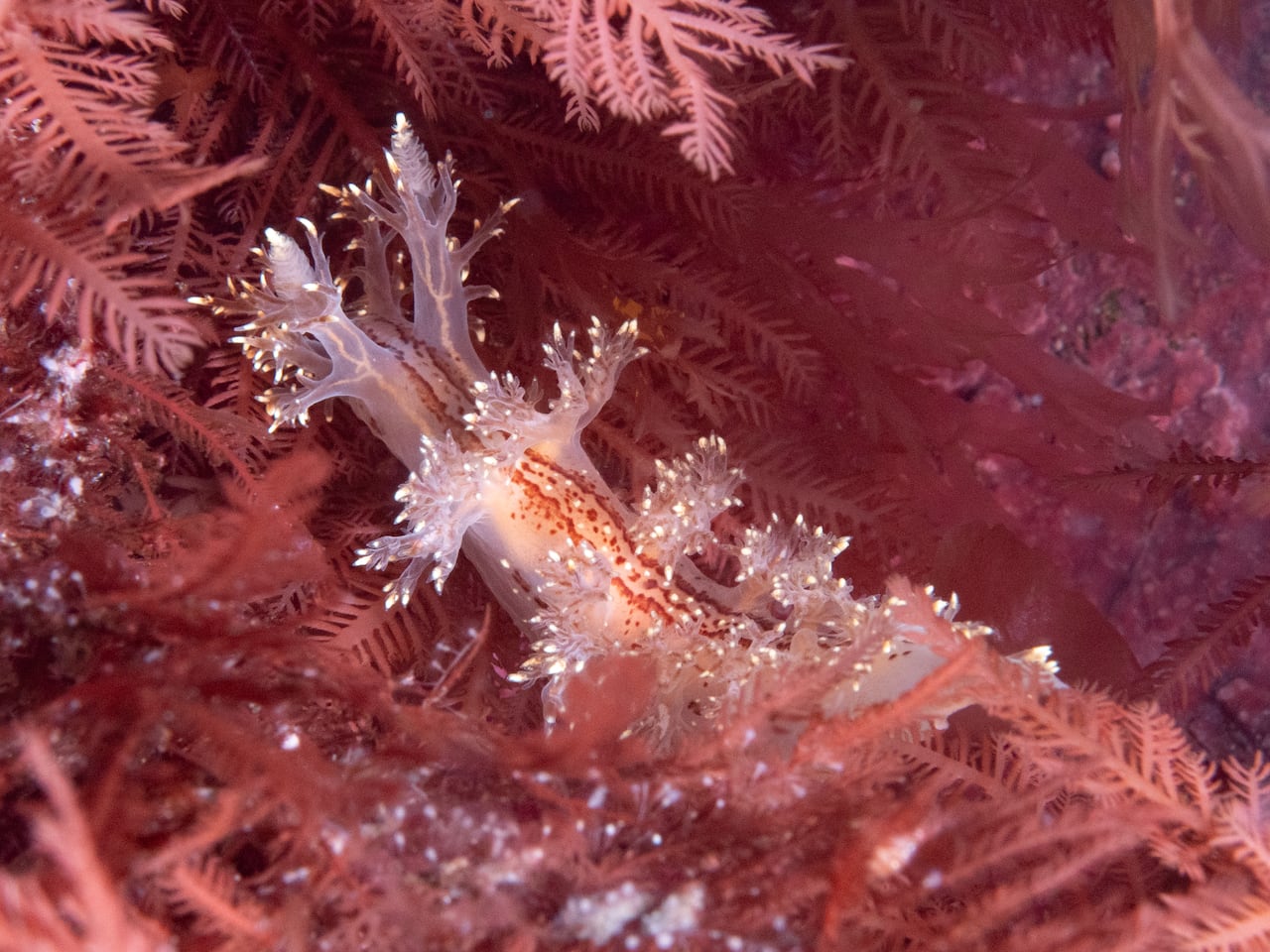
The sea slug Dendronotus yrjargul was documented during a recent expedition led by the Innu Nation, marking its first sighting off Canada’s coast. (Claire Goodwin/HMSC/Innu Nation)
Currently, Goodwin is collaborating with the Innu Nation in Labrador to explore uncharted waters within their territory. “We genuinely have no idea what the seabed will be like, let alone the organisms that inhabit it.”
Effects of climate change and potential solutions
The urgency to uncover this information is heightened as the ocean experiences rapid warming, causing shifts in species distribution due to climate change.
Goodwin notes that certain species have entirely vanished from locations where they were previously abundant. She cites basket stars, fascinating sea stars with branching arms, that were once prevalent around St. Andrew’s but have not been observed there since a swift increase in temperatures around 2016.
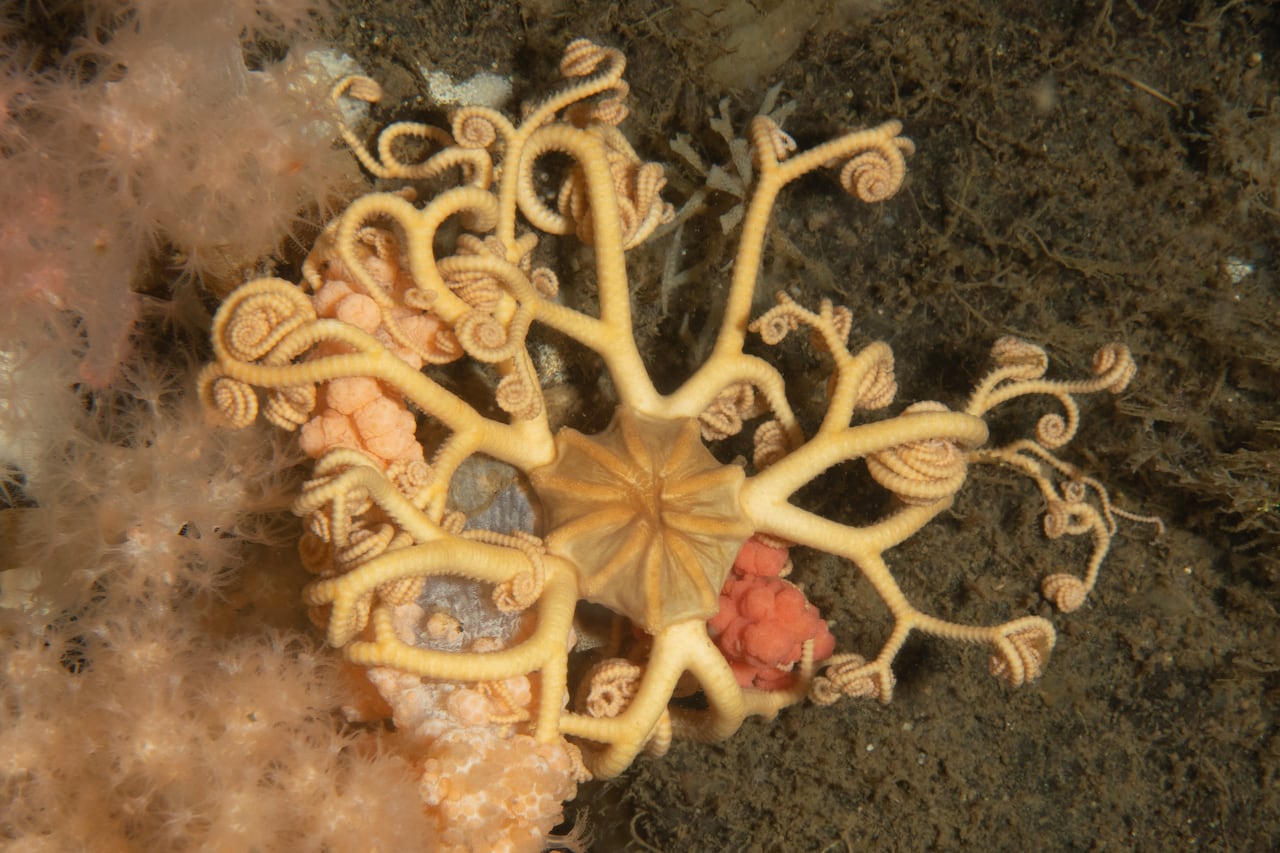
A basket star, Gorgonocephalus arcticus, is pictured in the Saguenay Fjord. This species was once common in the Bay of Fundy but appears to have vanished due to climate change. (Claire Goodwin/HMSC)
Loïc Jacquemot, a postdoctoral researcher at Université du Québec à Rimouski, indicated that in many regions, there is a lack of substantial baseline data to compare changes against.
He is presently surveying Baffin Bay off Nunavut’s coast utilizing a method known as eDNA, which detects species from DNA released into the water through organisms’ skin, waste, and tissues. This allows for surveys without the need to visually observe or capture them—just a water sample is required.

Loïc Jacquemot collecting water samples for eDNA analysis in B.C.’s coastal fjords. (Submitted by Loïc Jacquemot)
He noted that species adapted to colder waters are expected to be confined to increasingly smaller regions, “as they cannot migrate much further north,” while species favoring warmer waters may broaden their habitats.
This shift can significantly affect the food chain, impacting fish and shellfish that humans consume, as well as the manner in which carbon is cycled in the ocean through zooplankton that migrate daily between the depths and the surface.
“It’s crucial for the climate, as these changes influence how carbon is stored in the ocean,” Jacquemot stated.
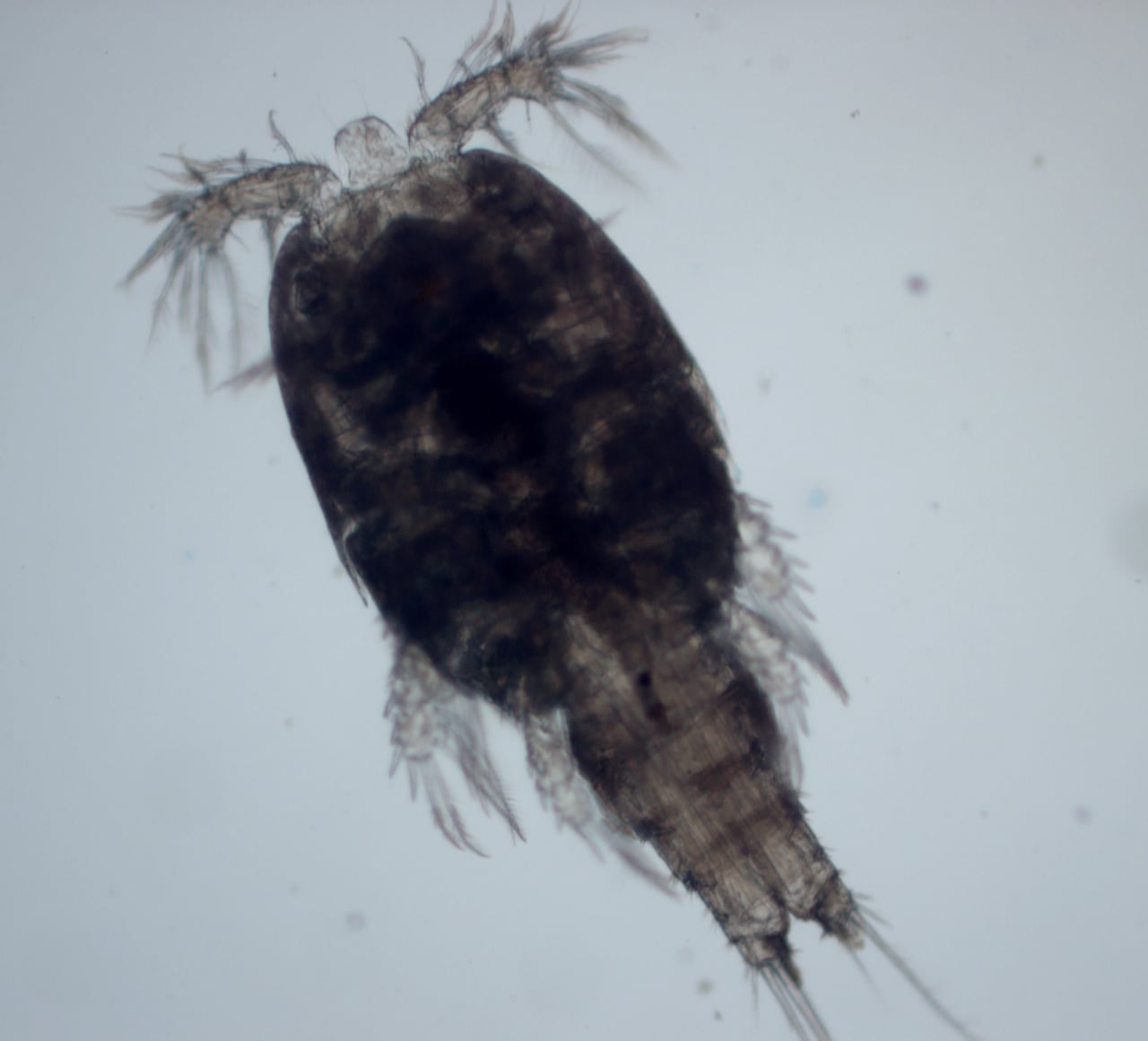
This tiny copepod is among the 20 new species identified by Ocean Census in October. These creatures are part of the zooplankton responsible for moving carbon between the ocean’s surface and its depths. (The Nippon Foundation-Nekton Ocean Census/Schmidt Ocean Institute)
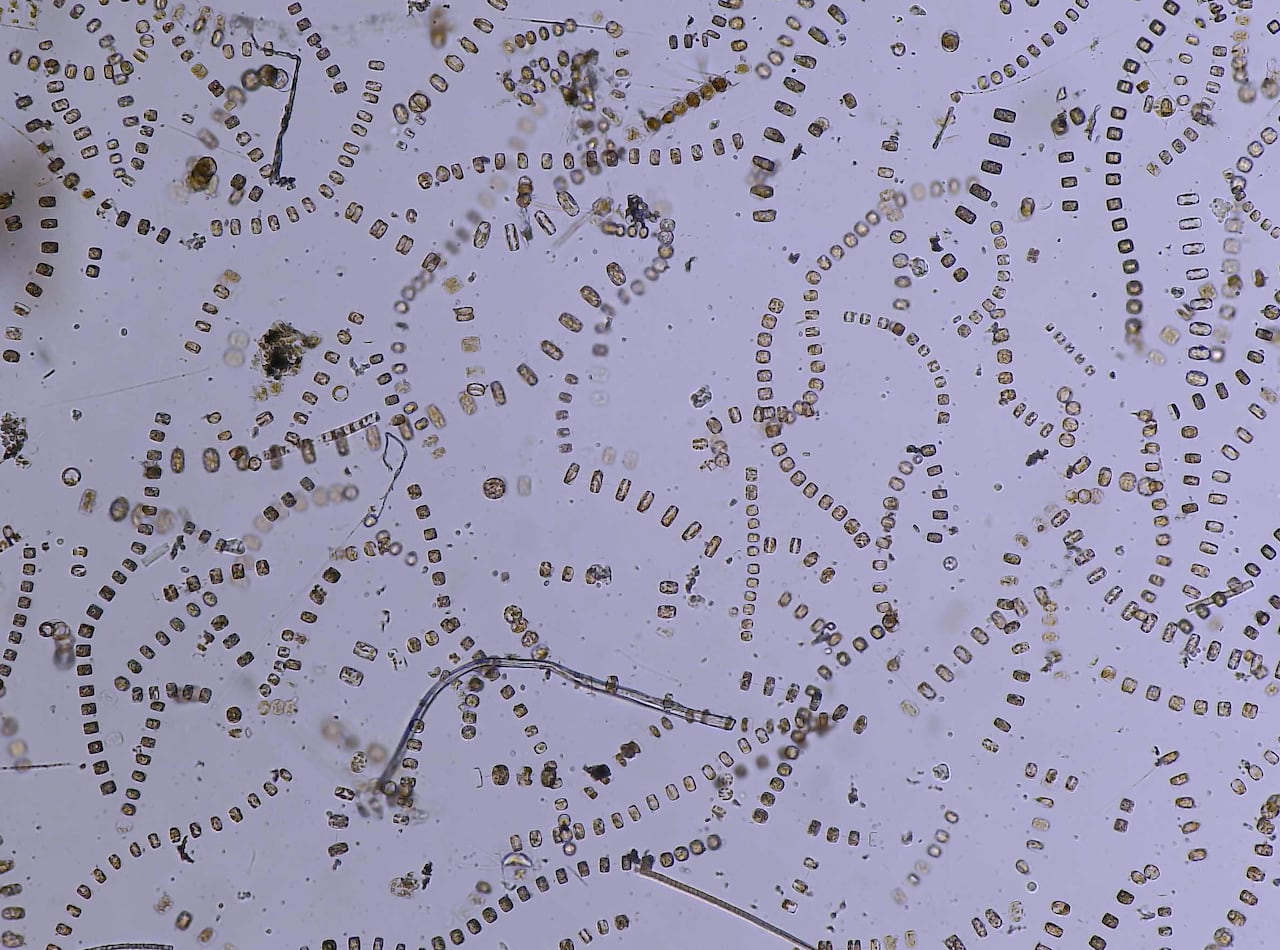
Photosynthetic algae known as diatoms from Greenland’s fjords. Diatoms play an essential role in capturing carbon dioxide in the oceans. (Submitted by Loïc Jacquemot)
The carbon captured by the ocean and its organisms is referred to as blue carbon. It currently accounts for 30 percent of human-generated carbon dioxide and 90 percent of the excess heat trapped by climate change, as noted in a recent UN report, which cautioned that the ocean’s capacity to absorb additional CO2 and heat is diminishing.
Furthermore, coral reefs, recognized as biodiversity hotspots capable of storing substantial amounts of carbon, are among the ecosystems most vulnerable to climate change.
The role of the ocean and its inhabitants in relation to climate change is a central topic at this year’s UN climate summit, COP31, currently taking place in Antalya, Turkey. Protecting marine ecosystems and “unlocking blue carbon for climate resilience” are included in the meeting’s “action agenda.”
During COP31 this week, former U.S. Secretary of State John Kerry and representatives from island nations advocated for a robust mention of oceans in next year’s global “stocktake” of climate policies, with backing from the European Union and African nations.
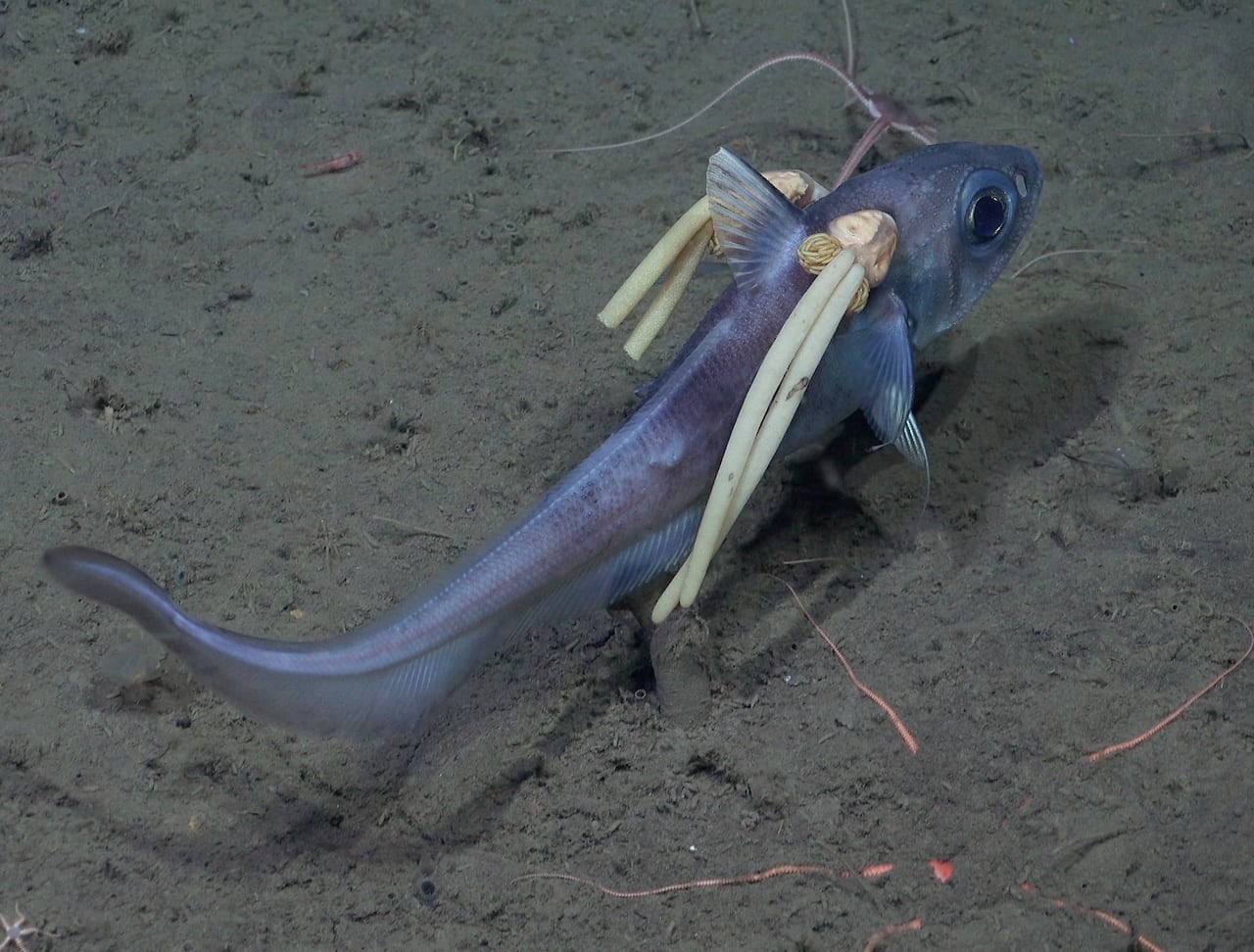
This grenadier fish was observed with parasitic copepods attached to its head during a 2025 Ocean Census expedition off Montagu Island near Antarctica. (ROV SuBastian/Schmidt Ocean Institute)
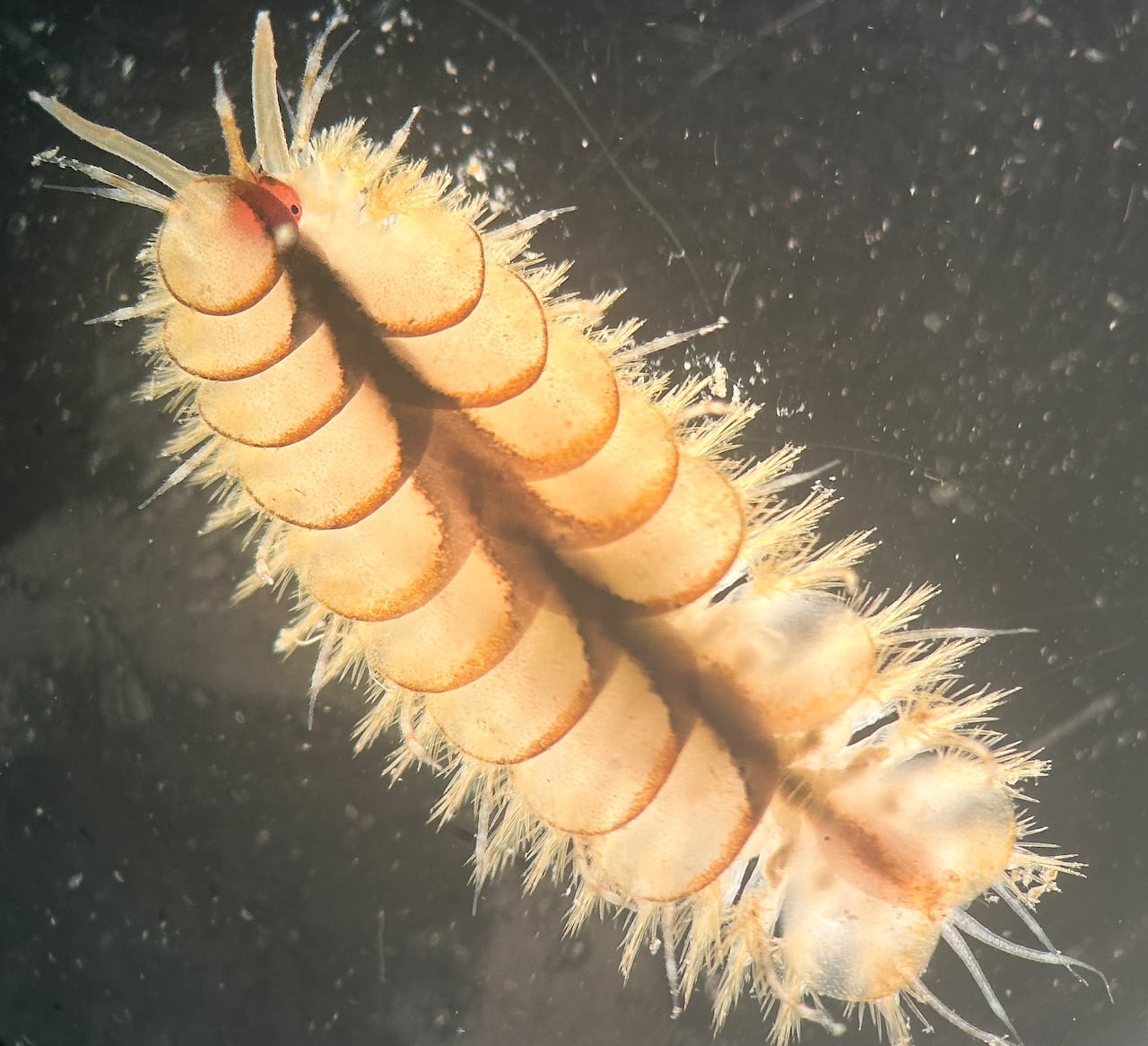
This marine worm, Harmothoe imbricata, was discovered off the Atlantic coast of Canada. (Christy Carr/HMSC)
Essential for the biogeochemical functioning of our planet
Taylor from Ocean Census highlighted that marine ecosystems are vital to humans—not solely for food and medicine, but also on a broader scale. “It’s a fundamental part of the biogeochemical functioning of our planet. We depend on it, whether we recognize it or not.”
Taylor, Goodwin, and Jacquemot aspire that by showcasing the remarkable diversity of ocean life, they can foster a greater appreciation for the necessity of its preservation.
“When we present images and videos of the underwater world, people are invariably astonished by the incredible life we possess beneath the waves,” Goodwin remarked.

Michelle Taylor, the head of science for Ocean Census, observes footage from the ROV SuBastian during a mission to catalog deep-sea species. (Paul Satchell)
Taylor describes these species as an astonishing array of “strange-looking organisms,” adding that some are so extraordinary that “you would struggle to believe they belong to this planet.”
She expressed her deep concern for coral reefs in particular, but emphasized, “It’s essential to maintain a mindset that solutions exist.” In the meantime, she continued, “we must identify as many species as possible to grasp the diversity on this planet before it is lost.”
This article is part of a series aimed at showcasing the efforts of scientists investigating vanishing species that might not be widely recognized. It’s an opportunity to learn about them, understand their significance, and explore what can be done to ensure their survival.