

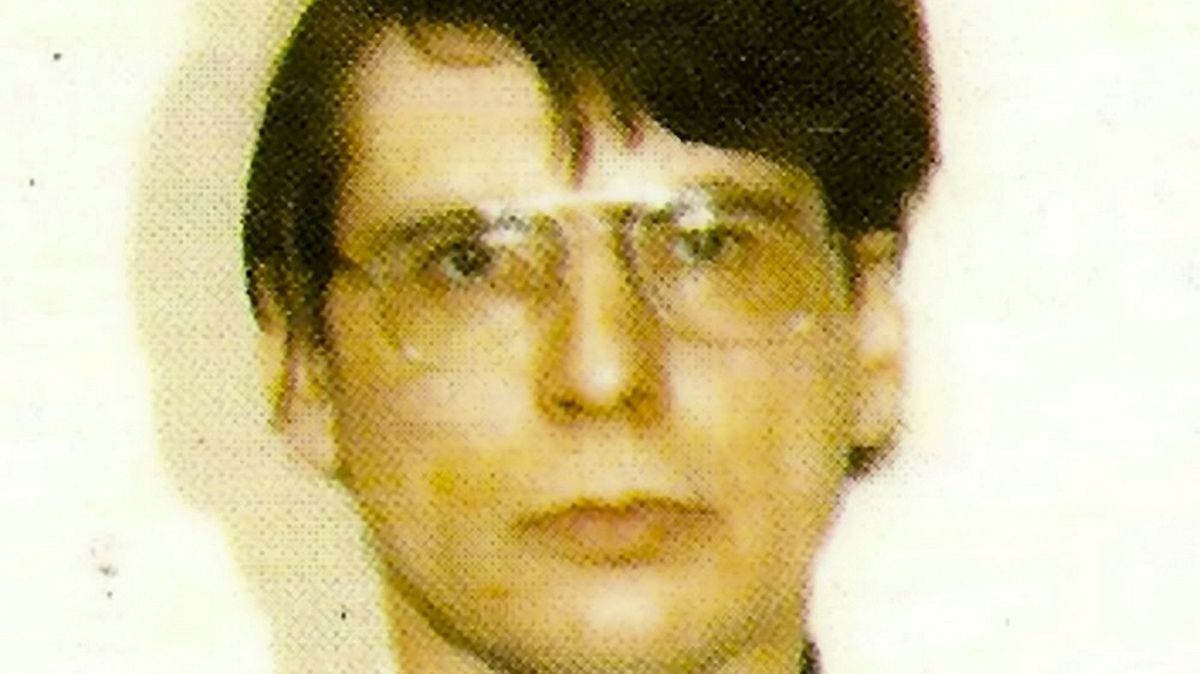

The remains of notorious serial killer Dennis Nilsen were dispersed in his hometown on the eve of what would have been his 80th birthday. The solemn ceremony, orchestrated by a close friend, took place at the River Philorth near Fraserburgh, Scotland. Nilsen infamously murdered a minimum of 12 young men and boys during the span of 1978 to 1983, luring them to his residence before strangling them.
Following his heinous acts, Nilsen engaged in a disturbing ritual of bathing and dressing the victims’ bodies, retaining them for prolonged periods, and eventually disposing of the remains through burning or flushing. The friend responsible for scattering the ashes, Mark Austin, considered the event as dignified, although it is expected to provoke anger among locals.
Former Scotland Yard detective Peter Bleksley expressed disapproval, deeming the act insensitive to both the community and the victims’ families. He suggested a disposal method similar to that of Moors murderer Ian Brady, whose ashes were cast into the sea to prevent distress.
Mark Austin, who developed a bond with Nilsen over shared interests while corresponding with him in prison, inherited Nilsen’s possessions upon his death in 2018. Austin defended his decision to scatter the ashes in Scotland as a closure and a humane farewell, opposing Nilsen’s initial wish to have them near his crime scenes in North London.
The scattering of the ashes, planned for years, was executed last month, with Austin carrying the remains in his possession during a trip to Aberdeen. He emphasized his consideration for the victims throughout the process, acknowledging the potential controversy surrounding the event but asserting the right to grant Nilsen a final sendoff as a fellow human being.
Nilsen’s gruesome crimes, which included befriending and murdering victims before dismembering them, were uncovered when human remains were found in a drain outside his residence. He was incarcerated for life in 1983 and later received a whole-life tariff for his heinous acts.