


U.S. President Donald Trump called on Americans to embrace slightly higher gasoline prices as a necessary measure to prevent Iran from acquiring nuclear weapons. He announced intentions to designate the Strait of Hormuz as U.S. territory soon. The President’s statements highlight the political challenges he faces due to increased fuel costs conflicting with his pledge to reduce energy expenses. Democrats are already aiming to leverage the economic impacts of a potential conflict with Iran in the upcoming November midterm elections.
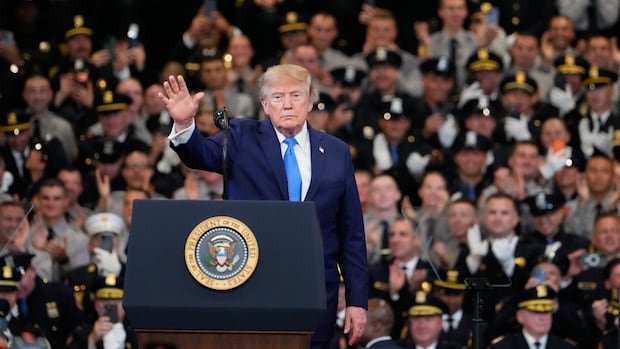
During a speech in Garden City, N.Y., Trump emphasized the significance of accepting marginally increased gasoline expenses as a means to thwart the nuclear ambitions of what he described as “a very evil country.” He emphasized the importance of the United States’ actions in serving the global community while asserting that he would not apologize for his stance against Iran.
Approximately a fifth of the world’s oil and LNG shipments typically traverse the Strait of Hormuz, making it a strategically vital waterway. Concerns over potential disruptions have led to a rise in oil prices. Trump heightened tensions by suggesting that following the defeat of Iran, he would consider declaring the Strait of Hormuz as U.S. territory, although the seriousness and implications of this statement remain uncertain.
In response to Trump’s remarks, Kazem Gharibabadi, Iran’s deputy foreign minister, dismissed the notion that the strait could be controlled through tweets, military presence, or declarations, affirming that Iran retains authority over the passage. The ongoing discussions regarding the status of the Strait of Hormuz hold significant implications for global energy markets, with oil prices escalating, nearing $90 US per barrel for Brent crude, and U.S. gasoline prices hovering around $4 US per gallon.