


Ukraine initiated an early morning attack on Russia’s oil sector while the British government raised concerns about the potential for World War III. Kyiv’s use of drones caused significant damage to a major Moscow refinery in an effort to disrupt Vladimir Putin’s financial support for the conflict in Ukraine.
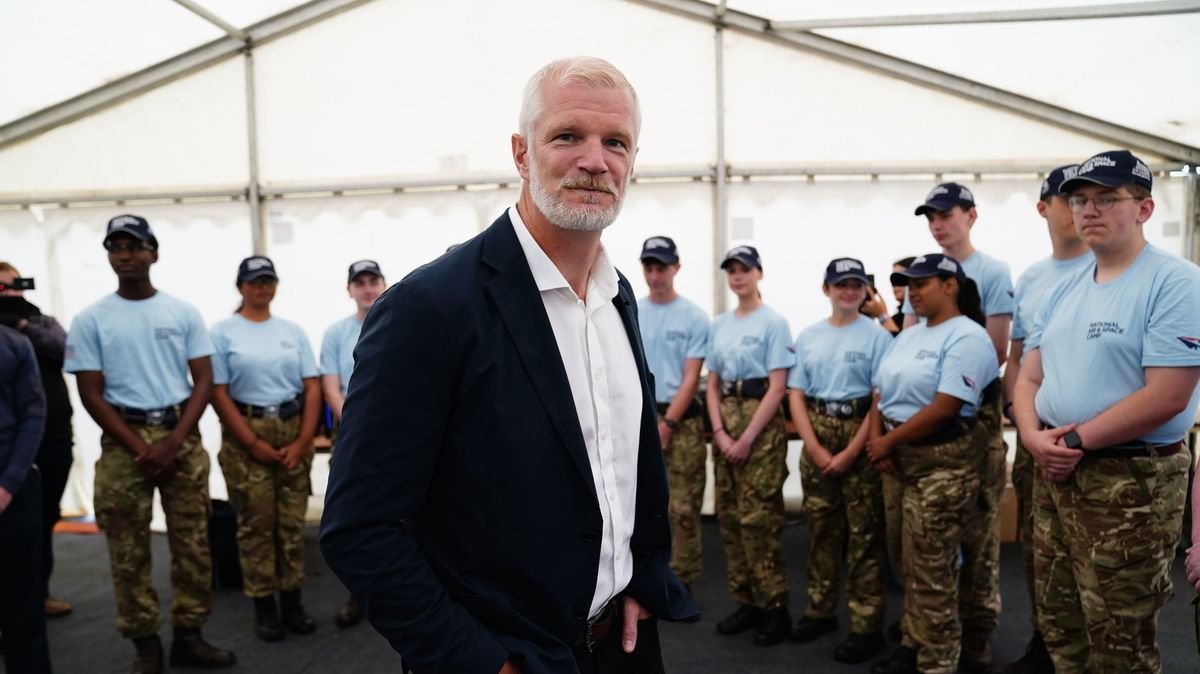
Amid these developments, UK Defense Minister Al Carns, a war veteran, cautioned about the looming threat of war in Europe, emphasizing the need for readiness to deter such conflicts. NATO chief Mark Rutte also warned of the possibility of a World War III scenario, urging preparations akin to past generations.
Recent reports indicated that Ukraine targeted the Russian city of Yaroslavl in its ongoing efforts to undermine Putin’s military resources. Explosions and subsequent fires were observed at the Yaroslavnefteorgsintez refinery, signifying the intensity of the assault on Russia’s energy infrastructure.
Since July, Ukraine has escalated its attacks on Russian energy facilities, asserting that disrupting oil production weakens the Kremlin’s capacity for warfare. The targeted refinery in Yaroslavl is among Russia’s top five oil-processing plants, making it a strategic objective for Ukraine’s military operations.
The strike on Yaroslavl followed a significant drone attack by Ukraine, involving nearly 300 drones and cruise missiles targeting various locations across western and central Russia, covering a vast distance of approximately 1,500 miles. The attack included drones flying over Moscow, prompting heightened security measures and flight disruptions in the capital.
In the midst of these military actions, Ukraine denied approval of a proposed peace plan involving a demilitarized zone in the Donbas region. European Union leaders are considering leveraging frozen Russian assets to support Ukraine financially during the conflict, potentially offering a substantial wartime loan.
Hungarian Prime Minister Viktor Orban, a close ally of Putin, criticized the European Commission for freezing Russian assets and accused them of violating European laws. The frozen assets, amounting to billions of euros, are under scrutiny for potential allocation to support Ukraine’s war efforts, amid differing opinions among EU member states regarding further assistance.
Orban’s defiance against the frozen asset release highlights the complexities within the EU regarding support for Ukraine and the legal implications of utilizing Russian assets in the conflict. The rejection of a proposed peace plan involving the release of frozen assets underscores the ongoing challenges in finding a resolution to the conflict in Ukraine.