

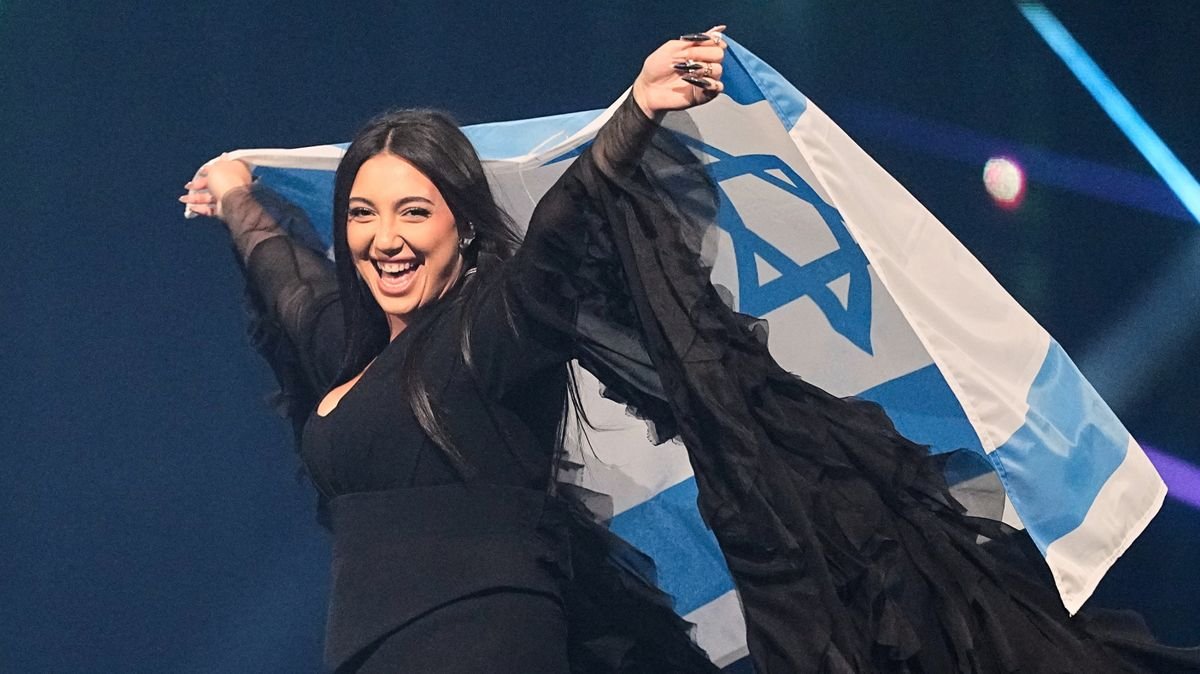

Several nations have opted out of the Eurovision Song Contest in response to Israel’s inclusion in the upcoming event. Dutch broadcaster AVROTROS, Spain’s RTVE, and Ireland’s RTE swiftly announced their decision to abstain from participating in or airing the 2026 contest following the European Broadcasting Union’s meeting. Slovenia’s broadcaster also declined involvement and indicated that Belgium and Iceland might join the boycott.
RTE expressed that Ireland’s involvement would be inappropriate given the tragic loss of lives in Gaza. The Eurovision 2026 final is scheduled to take place in Vienna on May 16 next year.
On the other hand, the Conservatives supported Israel’s participation in Eurovision and disapproved of the countries boycotting the event. Shadow culture secretary Nigel Huddleston emphasized the importance of Israel’s inclusion, stating that music should unify rather than be politicized.
RTE reiterated its stance against participating in the 2026 Eurovision Song Contest due to the ongoing crisis in Gaza, emphasizing the importance of upholding universal values like press freedom and humanity.
The Dutch national broadcaster reinforced its decision not to partake in the upcoming Eurovision Song contest, citing the compromise of humanity and press freedom as non-negotiable values.
Additionally, RTVE confirmed Spain’s withdrawal from Eurovision following the EBU General Assembly’s voting, which upheld Israel’s participation. The EBU members supported reforms to strengthen trust and maintain neutrality.
Recent rule changes in the Eurovision Song Contest were implemented to address concerns raised by broadcasters regarding Israel’s performance in the competition. Despite controversies, Israel has continued to compete in the event.
In response to Israel’s approval to compete in the upcoming Eurovision Song Contest, President Isaac Herzog expressed gratitude for the support and highlighted the importance of cultural exchange and cooperation through music.
The decision to include Israel in the competition has sparked varied reactions, with some countries choosing to boycott the event while others advocate for participation as a means of promoting cultural exchange and unity.