

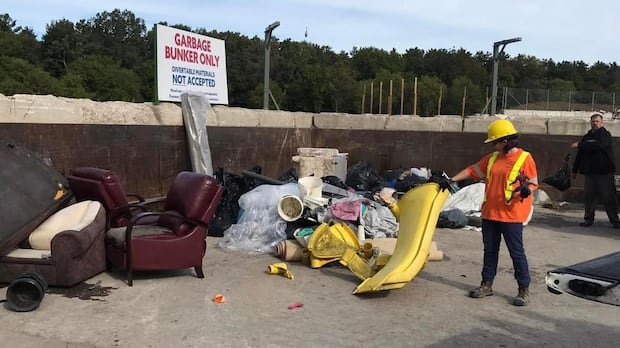

Meg Whitton, residing in Simcoe County, Ontario, found herself facing a towering heap of discarded wood at the local dump one Saturday. Among the debris of dressers, chairs, and pallets, her eyes landed on two worn Cedar Muskoka chairs. Despite the prohibited act, she swiftly loaded them into her hatchback, deeming them salvageable treasures for her backyard. Gleefully sharing her dumpster find on Twitter, she learned that the chairs had been dropped off that morning by a stranger who deemed them no longer fit for use after two decades at their cottage. With some minor repairs from her partner, the chairs found a new home by the fire pit, accompanied by a glass of wine, disproving their perceived obsolescence.
Years later, Whitton stumbled upon a part-time job opportunity at the dump and seized it eagerly. Over the course of a year, she dedicated her Saturdays to working at the transfer station, aiding in the proper disposal of items destined for the landfill. Surprisingly, her role evolved beyond mere guidance on sorting items, as individuals began sharing stories behind their discarded possessions. From faulty coasters to sentimental belongings, each item carried a narrative that Whitton found herself privy to, often serving as a witness to the emotional weight tied to people’s discarded belongings.
Despite the abundance of nearly new items meeting their end at the dump, Whitton was taken aback by the frequency with which perfectly usable goods were discarded. Interacting with individuals like Freddy, tasked with disposing of unsellable donations for a charity, shed light on the complexities of discarding items that no longer served their purpose. Reflecting on her own contributions to such disposals, Whitton grappled with the guilt of discarding belongings she once treasured but had outlived their utility.
As she contemplates parting ways with a Paw Patrol fire engine toy, once a cherished plaything for her children, Whitton faces the challenge of finding it a new home. Amidst failed attempts at donation, she reflects on the societal emphasis on decluttering and discarding, questioning the underlying motivations that lead to the accumulation of objects that eventually lose their allure.
In a world driven by the culture of disposal, Whitton’s experiences at the dump offer a poignant reflection on society’s relationship with material possessions and the narratives woven into the fabric of discarded items.