


Abdul Razaq Khan, a former translator and fixer for Canadian media during the Afghan war, was contacted by a journalist late at night in Kabul, where he had relocated after the Canadian withdrawal from Afghanistan. The message inquired about his safety as the Taliban advanced on Kabul in the summer of 2021. Khan, now residing safely in Canada, reflects on the abrupt loss of his job, home, and country, grappling with the events that led to the rapid collapse of the western-backed government.
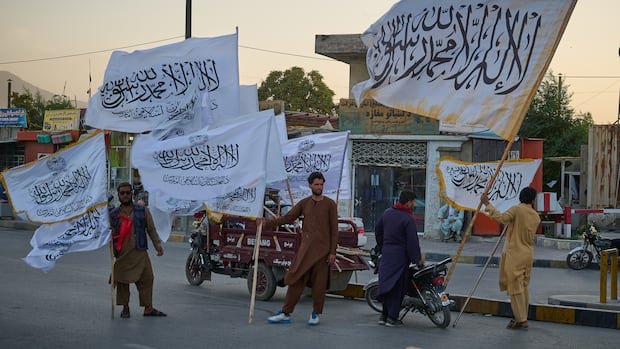
For Khan and many other Afghans who worked with journalists, Western military, and aid organizations, the Taliban’s victory resulted in displacement and the reestablishment of a strict fundamentalist regime. This regime systematically erases women from public life, suppresses free media and dissent, and enforces rigid moral codes through a dedicated ministry.
Women, who were a focal point of Western social policy during the conflict, have faced severe hardships. The Zan Times, an Afghan women’s advocacy group, reported a surge in violence against women in Afghanistan and a lack of justice. The group’s findings revealed a disturbing trend: the Taliban authorities rarely arrest male suspects in cases of women’s sudden deaths, often releasing them shortly after capture. This impunity has allowed crimes against women to go unpunished, with many cases unjustly labeled as suicides.
Efforts to protect women’s rights in Afghanistan have relied on diplomatic condemnation and targeted sanctions, as Western nations struggle to directly enforce these rights following the 2021 collapse. Some countries have established humanitarian visa pathways and resettlement programs to evacuate and support high-risk female judges, activists, journalists, and politicians from Afghanistan. However, a recent report by Local Staff International and AfghanEvac highlighted the challenges faced by allied nations in evacuating and resettling vulnerable Afghans.
Canada, for instance, resettled over 60,000 Afghans, including interpreters and their families, following the Taliban’s takeover in August 2021. Despite these efforts, thousands of vulnerable individuals remain under the Taliban’s oppressive rule. Former Canadian combat commander, retired major-general Denis Thompson, emphasized the need to reopen programs to assist those left behind in Afghanistan.
US Democratic Senator Chris Coons echoed the sentiment, emphasizing the importance of fulfilling promises to those who risked their lives for American and NATO forces during the Afghan conflict. The Allied Ledger report serves as an accountability tool to track countries’ commitments in supporting Afghan evacuees and upholding promises made during this critical period in recent history.