

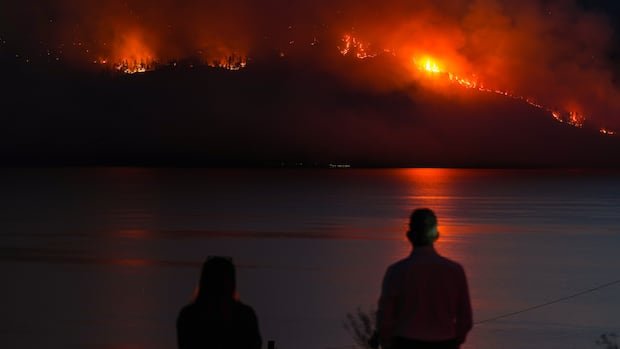

The recent resurgence of the El Niño phenomenon in the Pacific Ocean, known as a “super” or “Godzilla” El Niño, is causing significant disruptions to global weather patterns. This occurrence coincides with record-breaking heatwaves in North America and Europe, leading to numerous heat-related fatalities, dried-up water sources, and extensive wildfires, including in Canada.
Climate scientists emphasize that while El Niño is not directly responsible for these extreme weather events, its interaction with human-induced climate change may intensify the impacts. NASA’s climate scientist, Josh Willis, predicts widespread and substantial effects across a vast area due to El Niño’s influence.
El Niños typically occur every three to seven years, altering weather conditions by raising sea surface temperatures in the Pacific. This warming phenomenon can cause significant shifts in atmospheric patterns, resulting in contrasting weather patterns such as increased rainfall in arid regions and droughts in typically wet areas.
Although the current El Niño started forming in May and June, its full impact on regions like Canada is expected to peak in late fall and winter. Scientists, like Muhammad Azhar Ehsan from Columbia University, suggest that this unprecedented El Niño could rival the strength of previous significant events recorded in history.
Forecasts indicate that regions like Canada and the northern U.S. may experience a warmer winter due to El Niño, with potential alterations in precipitation patterns. Additionally, countries like Peru and Indonesia are already witnessing the effects of El Niño, with heavy rains, flooding, and prolonged wildfire seasons.
As El Niño continues to unfold in a world already grappling with the effects of climate change, experts warn of prolonged impacts well into 2027. This combination of El Niño and heightened global temperatures poses challenges that may defy past climate predictions, necessitating further research and vigilance in monitoring the evolving situation.