

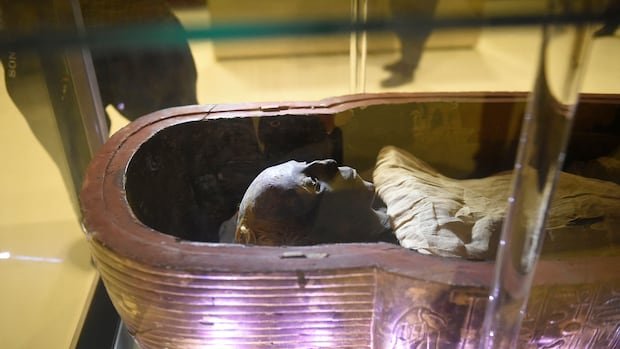

While it may seem unusual, scientists have identified a niche market for preserved human remains being traded online, which they warn could pose health risks. A recent study led by Kirsty Squires from the University of Staffordshire in England examined 128 online posts from 2015 to 2025 showcasing human and animal remains for sale.
The study found that mummified body parts like heads, hands, and feet were commonly advertised. These remains can contain dormant microorganisms, such as bacteria and fungi, which could lead to health complications if mishandled. Proper storage conditions are crucial to prevent deterioration and the release of harmful spores.
Safe Handling Practices for Mummies
According to Squires, many online images displayed signs of decay due to inadequate storage. Unlike in museums where mummies are stored under controlled conditions, private collectors may not provide the same level of environmental control, potentially releasing harmful microorganisms into the air.
When dealing with human remains, Squires emphasizes the importance of using protective gear to minimize exposure to airborne pathogens. Certain mummified body parts may also contain toxic substances like arsenic and mercury from historical embalming processes.
Historical Precedents of Health Hazards
While the study did not report specific cases of illness from handling online-sold human remains, historical incidents have shown the potential dangers. For instance, in 1973, scientists died from inhaling mould spores during the opening of a tomb in Poland. Similar concerns were raised regarding the death of Lord Carnarvon in 1923 after entering King Tutankhamun’s burial chamber.
James Scott, a public health expert, believes that ethical considerations surrounding the trade of human remains are more pressing than health risks. He suggests that with proper precautions, collectors can mitigate any potential hazards.
Regulation of Human Remains Trade in Canada
Among the online posts analyzed, 11 originated from Canada, indicating a presence of individuals involved in the trade of human remains. Shawn Graham, a digital archaeology professor, notes the lack of meaningful regulations in Canada’s market for human remains, with little oversight on shipping and handling.
Canadian authorities, including the Border Services Agency and Canada Post, have restrictions on shipping mummified human remains, allowing only cremated remains under specific conditions. However, private shipping companies like Purolator and UPS explicitly prohibit the transportation of human remains.
Despite these restrictions, sellers can exploit loopholes in labeling packages, potentially endangering postal workers and others handling the shipments.
Contemplating a Ban on Online Human Remains Trade
Graham raises concerns about the commodification of human remains, particularly from non-European populations, through online platforms. He advocates for legislation similar to the U.K.’s proposed ban on the online sale of human remains to prevent the exploitation and commercialization of ancestral remains.
He emphasizes the need for stricter regulations to safeguard against the unethical trade of human remains, reflecting a broader societal shift towards respecting human dignity and cultural sensitivity.
Tag: rewrite-pending