

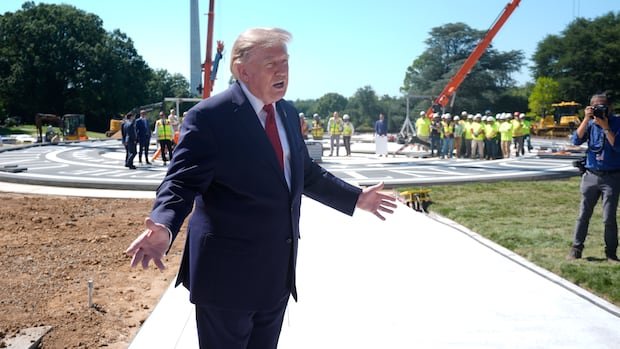

Canada and the United States are in the final stages of negotiating a trade agreement that is anticipated to involve U.S. President Donald Trump reducing tariff rates on Canadian goods in exchange for restoring American liquor to provincial store shelves, among other potential concessions. The details of the agreement have not been publicly disclosed, but sources suggest that U.S. tariffs on Canadian steel and aluminum could be reduced from 50% to 25%. Discussions are ongoing regarding derivatives and exemptions.
Additionally, the agreement may include a decrease in Trump’s headline tariff rate on Canadian-made cars and trucks from 25% to 15%. The integration of the North American auto market means that vehicles assembled in Canada often contain over 50% U.S.-manufactured components, potentially resulting in a lower effective tariff rate.
Following a briefing by Prime Minister Mark Carney, Saskatchewan Premier Scott Moe expressed optimism about the trade deal, referring to it as a “best-in-class agreement” and highlighting the improved market access it could offer. Nova Scotia Premier Tim Houston also conveyed optimism, noting that Canada’s supply management system would remain intact and emphasizing the potential benefits for the defense procurement sector.
Both leaders praised the progress made in negotiations with the U.S., with Carney emphasizing that the goal is to secure the best possible deal for Canadians while maintaining economic strength at home and diversifying partnerships abroad. The trade deal is expected to address trade issues and provide benefits for various sectors in Canada.
Conservative Leader Pierre Poilievre welcomed the progress in trade negotiations but stressed the need for a comprehensive deal that eliminates tariffs on key goods and includes exemptions to Buy American policies. The business sector urged both countries to swiftly finalize a broader agreement to provide much-needed stability for businesses.