

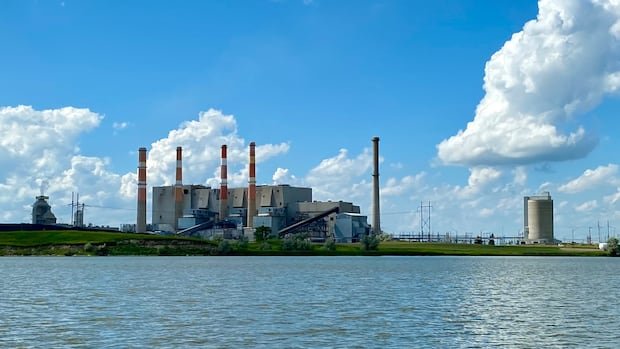

A recent analysis reveals that the Saskatchewan government’s initiative to rehabilitate its coal-fired power plants could potentially incur expenses of up to $46.4 billion in the upcoming two decades. This amount significantly surpasses the previously leaked internal SaskPower documents estimate of $26 billion over 25 years. Brett Dolter, an associate professor at the University of Regina specializing in economics, conducted the study to assess the cost implications of Saskatchewan’s strategy to utilize coal-fired plants as a transition to nuclear power and the implementation of Small Modular Reactors (SMRs).
According to Dolter, his research indicates that the current plan is more costly and environmentally detrimental compared to retiring the coal plants and adopting a mix of natural gas facilities and renewable energy systems, which was the province’s original approach before reversing course in early 2025. Dolter emphasized the potential benefits of a scenario that saves money, reduces emissions, and provides individuals with savings of over $800 annually.
His analysis drew insights from leaked SaskPower documents disclosed by the Saskatchewan NDP, data submitted to the province’s rate review panel, and certain assumptions due to the lack of the provincial government’s internal analysis disclosure. Dolter highlighted that incorporating carbon pricing into the equation further underscores the cost-effectiveness of alternative options. Without carbon pricing for heavy emitters, the cost projection for persisting with coal would amount to $30.2 billion within the next two decades.
When considering the impact of carbon pricing, Dolter indicated that the total expenditure rises to $46.4 billion. He applied the same standards outlined in Ottawa’s memorandum of understanding with Alberta earlier this year to arrive at this figure. Dolter emphasized the substantial financial implications of coal-fired plants’ pollution, which necessitates significant expenditures on carbon pricing.
While Dolter pointed out the financial clarity of Saskatchewan’s current trajectory, he refrained from speculating on the government’s rationale behind the decision-making process. In response to Dolter’s analysis, the provincial government issued a statement emphasizing the importance of reliable and affordable electricity for Saskatchewan’s sustained development. The government reiterated its commitment to pursuing an inclusive energy strategy encompassing various resources, including nuclear energy derived from Saskatchewan’s uranium reserves.
Mayor Tony Sernick of Estevan expressed concerns over the potential population decline the city faced before the government’s decision to refurbish coal-fired plants. Sernick acknowledged a shift in the city’s outlook following the announcement, with optimism prevailing and plans underway for future developments. Sernick highlighted the anticipated stability brought about by the coal plant refurbishment and the envisioned transition to nuclear energy.
The article also discusses the financial and legal risks associated with Saskatchewan’s divergence from federal regulations aimed at phasing out coal-fired power. The government’s stance on running coal plants beyond 2029 and rejecting previous clean electricity regulations raised concerns about potential legal challenges and financial losses. Dolter warned of the substantial risks involved, including the possibility of wasted refurbishment costs if legal battles lead to the closure of the plants.
In conclusion, the analysis underscores the significant financial implications and environmental considerations associated with Saskatchewan’s endeavors to revamp its energy infrastructure, particularly in the context of transitioning away from coal-fired power sources.