


Parts of British Columbia in Canada are facing severe drought conditions this summer. In Bessette Creek, water restrictions have been imposed to safeguard salmon populations from dangerously low water levels. Similarly, temporary protection orders for the Salmon River watershed were initially issued in July, lifted in early August due to heightened wildfire risks, and reinstated by the end of August. These are among the areas where government intervention has become necessary due to the worsening drought.
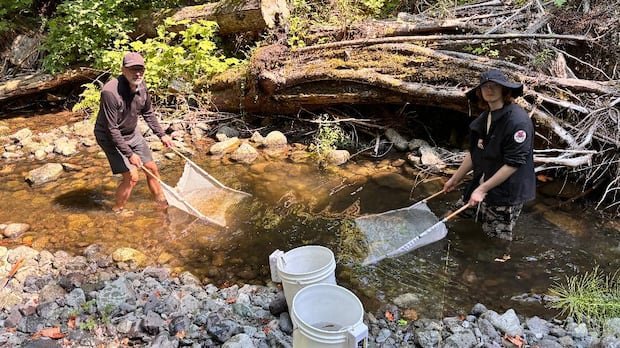
Bob Crandall, the treasurer of the Cowichan Lake Salmonid Enhancement Society on Vancouver Island, highlighted the escalating dryness of the 16 streams linked to Lake Cowichan that the society oversees. To counteract the adverse effects, the society engages in fry salvage activities, which involve rescuing fish from shrinking rivers and relocating them to more sustainable water bodies.
Crandall emphasized the importance of human intervention in addressing ecosystem challenges caused by human activities, underscoring the need for proactive measures. However, while communities in British Columbia are supportive of such interventions, experts caution that this approach may not provide a sustainable long-term solution to the water crisis.
Collaborating with the Ts’uubaa-asatx Nation and volunteers, Crandall and his team focus on gathering various fish species, such as salmon, trout, and char, for relocation. Yet, the task is becoming increasingly arduous with changing climate patterns. Crandall noted the expanding areas of dry streams, making the rescue missions more challenging and resource-intensive.
The process of moving fish involves using aerators and nets to ensure their survival during transport. Crandall’s experience in fish conservation, coupled with the society’s dedication, drives their efforts to save thousands of fish annually amid the drought.
The Ts’uubaa-asatx Nation plays a pivotal role in the fry salvage initiatives, leveraging modern technologies like drones to track drying streams. Michelle Corfield, the lands and resource director for the Nation, emphasized the cultural significance of salmon and the community’s commitment to preserving this vital resource for future generations.
However, similar rescue efforts are encountering limitations worldwide as drought and extreme heat events escalate. In France, the Fédération de Pêche du Rhône faced unprecedented challenges this summer due to severe drought conditions. Jean-Pierre Faure highlighted the detrimental effects of high water temperatures on fish, stressing the urgency of ecosystem restoration and adaptive water management strategies over short-term interventions like fish relocation.
Faure emphasized the need for a holistic approach to tackle the impacts of climate change on aquatic ecosystems, warning against the potential drawbacks and infeasibility of large-scale fish relocation efforts in severely affected watersheds. The imperative, he argued, is to prioritize sustainable conservation practices and adaptive water management to mitigate the escalating threats to fish populations in drought-stricken regions.