

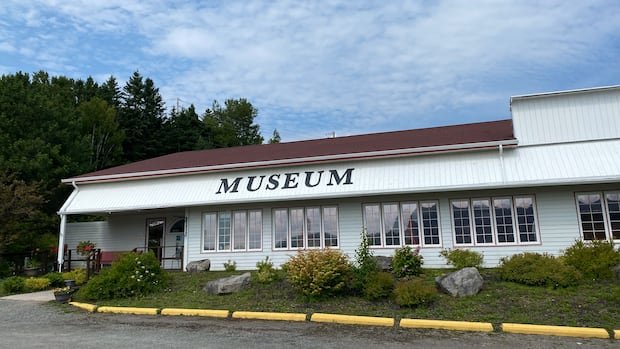

Angie MacIsaac is busy today guiding a bus tour from the United States at the Strait Area Museum, detailing the history of the Canso Causeway. Adjacent to the causeway, an abandoned building in Port Hastings, N.S., once home to the Visitor Information Centre, now stands empty following its closure in February due to provincial budget cuts.
In response to the closure, MacIsaac and her team at the museum have initiated a one-year trial project to offer a “community visitor information centre” to tourists visiting Cape Breton. The aim is to bridge the gap left by the shuttered visitor centre and eventually establish the museum as a permanent hub for welcoming visitors.
Following the closure announcement, Destination Cape Breton, a tourism advocacy group, rallied the island’s municipalities to fund the reopening of the centre on a limited basis. Meanwhile, Nova Scotia Public Works disclosed plans to demolish the former visitor centre and a nearby gift shop within the next two years to make room for a new roundabout by 2029.
The museum lobby now showcases brochures previously available at the visitor centre, with the province designing new highway signs to guide tourists. MacIsaac and the Port Hastings Historical Society are offering training to society members and other volunteers to ensure operational support, especially during the off-peak tourism season when student staff will conclude their duties by August.
MacIsaac envisions the museum as the primary touchpoint for visitors arriving in Cape Breton, aiming to embody a warm Cape Breton welcome. Although the province is not currently financially supporting the museum’s new initiative, the historical society can seek funding through the province’s Community Visitor Information Centre program.
Local accommodation owners in Cape Breton, like Yvette MacPhee of Ocean View Motel and Chalets in Chéticamp, see promise in the Strait Area Museum’s approach, citing successful community-run visitor centres in other areas. MacPhee emphasizes the significance of visitor centres due to limited cell coverage, noting that many tourists arrive unprepared, seeking accommodation without prior reservations.
In conclusion, the community-driven model adopted by the museum appears well-received by stakeholders, aligning with the needs of tourists visiting Cape Breton.