

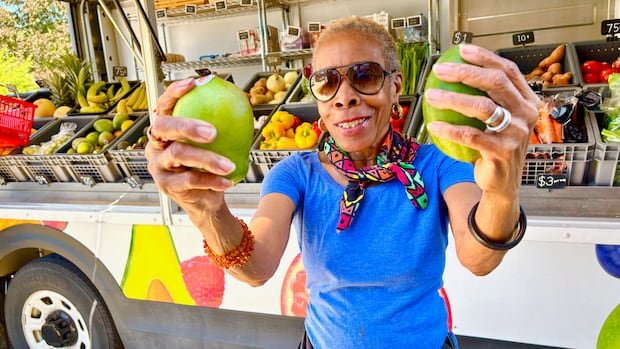

Sheila Foster-Lane, at 78, appears younger than her age, indicating she follows a healthy lifestyle. Residing at Kiwanis Parks Apartments in St. Catharines, she regularly visits the Grow-on-the-Go mobile food market truck for fresh produce. Foster-Lane emphasized the importance of a diet rich in vegetables, fruits, and greens for maintaining health and preventing future medical expenses.
The mobile food market attracts a significant number of seniors from the apartment complex, offering a variety of fresh fruits and vegetables at more affordable prices compared to supermarkets. This initiative is an extension of the Grow Community Food Literacy Centre, catering to low-income areas like the Elgin district in downtown Niagara Falls.
Pam Farrell, the founder, highlighted the high demand for subsidized healthy food options among low-income residents, with hundreds of individuals benefiting from both the fixed and mobile markets. The aim is to address food insecurity in areas lacking access to quality, affordable produce.
Farrell’s inspiration for Grow stemmed from studying food literacy and security, recognizing the challenges faced by individuals in “food deserts.” The initiative targets neighborhoods with limited grocery store access, where residents often rely on convenience stores with unhealthy options due to financial constraints.
Lindsay Krahn, the community development manager at Grow, stressed the significance of affordable, nutritious food in combating food insecurity, especially considering the rising prices affecting vulnerable populations. Access to fresh produce can significantly impact low-income families’ well-being.
Food insecurity in Niagara has been linked to various health issues, including diabetes, heart disease, and mental health disorders. The region reports a concerning prevalence of food insecurity among households, emphasizing the importance of initiatives like the Grow mobile market in providing access to healthy food choices at reasonable prices.
The mobile market operates in multiple locations, strategically selected in collaboration with the Niagara Region’s public health department to reach communities with limited healthy food options. Farrell aims to prioritize dignity for clients, allowing them to purchase subsidized produce in a respectful and welcoming environment, unlike the experience at traditional food banks.