

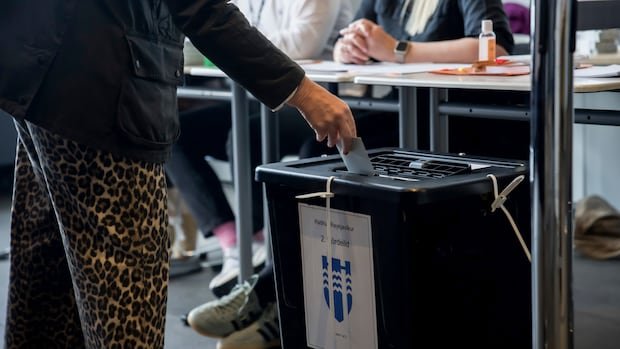

Voters in Iceland headed to the polls on Saturday to determine whether the country should restart discussions to potentially join the European Union, amidst concerns over U.S. President Donald Trump’s interest in Greenland. The referendum question was straightforward for the approximately 265,000 eligible voters: Should Iceland resume talks with the European Union?
A positive vote would initiate negotiations with the European Commission, covering various sectors like the economy and human rights. Proponents believe EU membership could provide safeguards against any future threats from Trump and offer economic stability. Conversely, opponents fear the impact on Iceland’s valuable fishing industry and argue that the country already benefits from its association with the EU’s single market and the Schengen area.
The outcome of the referendum, whether acceptance or rejection, would have long-term implications. A significant portion of voters had cast early ballots before the actual referendum day, indicating a high level of engagement.
President Trump’s public statements about acquiring Greenland raised concerns in Iceland, located near the self-governing territory under Danish control. The uncertainty surrounding Trump’s intentions has fueled anxiety among Icelanders, with some questioning the potential risks to Iceland’s sovereignty.
The discussion on EU membership in Iceland is not a new development, with the country formally ending its previous attempt to join the bloc in 2015 due to concerns about fishing rights. Fishing plays a central role in Iceland’s cultural heritage, with the industry being a cornerstone of the economy.
As the referendum approached, Prime Minister Kristrún Frostadóttir emphasized that the vote was not a final decision on EU membership, as there would be another referendum if Iceland reached a membership agreement with the EU.
The debate over EU membership reflects broader concerns about national identity and the country’s historical independence. Advocates of EU affiliation argue for closer ties to address transnational challenges like climate change, while opponents prefer maintaining the current arrangements that offer benefits without compromising sovereignty.
Ultimately, the referendum in Iceland represents a critical juncture in the country’s relationship with the European Union and its future direction.