


A species facing endangerment in Canada may have to endure extended periods awaiting Ottawa’s decision on whether to provide protection, all the while facing changing survival habitats.
A recent analysis discovered that out of 288 species determined to be at risk since 2017, only 17 had progressed to the Governor in Council, the body responsible for final listing decisions, within the recommended timeframe. Over half of them, specifically 153 species, were past due and still pending as of January 25, 2025.
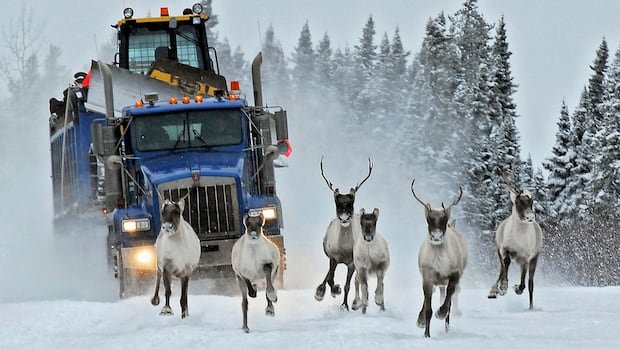
Among these species are caribou, beluga whales, and lake sturgeon, assessed as endangered or threatened, awaiting listing decisions that could trigger protective measures for their habitats and the implementation of a recovery strategy.
The study points to a bottleneck in the Species at Risk Act (SARA), where Ottawa has set suggested timelines for advancing assessments but lacks a statutory deadline for a crucial stage in the process. This gap allows governments to postpone difficult choices between conservation efforts and economic considerations, as per critics.
Peter Thompson, a postdoctoral researcher in biology at Simon Fraser University and the study’s lead author, highlighted the government’s consistent failure to meet its own recommended timelines of one to two years.
The case of the Saskatchewan-Nelson River population of lake sturgeon exemplifies the issue. Designated as endangered in 2017 due to a significant decline since the 1960s, this long-lived fish species missed a federal deadline in 2020 and was still awaiting further steps in the process five years later.
The study emphasizes the critical need for timely protection measures, especially for aquatic species, as SARA mandates prohibitions against harming or capturing endangered species and requires the identification and protection of critical habitats.
Furthermore, Indigenous communities stress the importance of considering cultural connections to species and habitats while ensuring adequate protections. The study also sheds light on the delays caused by information collection processes, analysis procedures, and, in some cases, Indigenous consultations.
In response to the study’s findings, authorities admit to the absence of a statutory timeline for the minister’s recommendation to the Governor in Council, leading to delays in listing decisions. Efforts are being made to address these delays, particularly for aquatic species falling under federal jurisdiction, to ensure expedited listing decisions and enhanced species protections.
Overall, stakeholders advocate for a more efficient and expedited process to safeguard species and habitats effectively, emphasizing the urgency of providing timely protections for at-risk wildlife.