

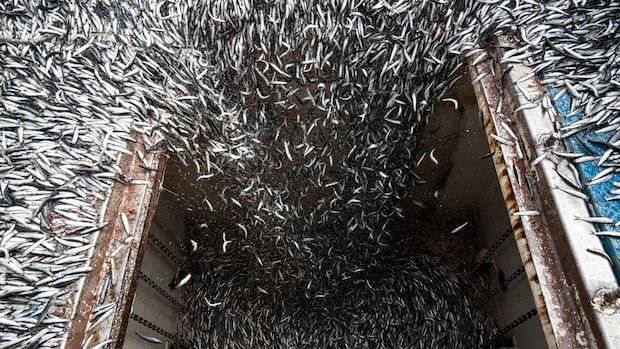

A recent investigation by journalists from The Outlaw Ocean Project uncovered environmental violations at United Marine Products, a fish meal plant in Goa, India. The plant was found to be illegally disposing of toxic wastewater by drilling bore holes behind the facility, leading to groundwater contamination and health issues among villagers and livestock. Despite the allegations, the plant owner denied any wrongdoing.
The investigation also revealed the indirect impact of such practices on seafood consumers in Canada. The fish meal produced by this Indian plant was supplied to Skretting, a major feed producer used by Canadian fish farms. This connection highlights the hidden costs associated with fish feed production, including the loss of artisanal fishing jobs, chemical exposure, worker fatalities, and community protests due to the unpleasant odors from fish meal factories.
These consequences primarily affect developing countries where the feed ingredients are sourced and processed, contrasting with the consumption of premium seafood in wealthier nations. The reliance on fish meal in aquaculture poses challenges to sustainability, as it contributes to overfishing and environmental degradation, contradicting industry claims of conservation efforts.
While the aquaculture industry is gradually diversifying feed sources by incorporating alternatives like insects and algae, fish meal remains a significant component in salmon and trout farming. The Outlaw Ocean Project’s investigation highlighted the need for greater transparency and accountability in the global fish meal industry to address issues such as overexploitation of fish stocks and unsustainable fishing practices.
Efforts to reduce reliance on fish meal have been made, but the growing demand for farmed seafood continues to drive the consumption of this controversial ingredient. Companies involved in fish feed production, such as Skretting, are facing scrutiny for their supply chain practices, prompting investigations and calls for improved regulations to ensure ethical and sustainable sourcing.
The Outlaw Ocean Project’s comprehensive investigation sheds light on the complex dynamics of the fish meal industry, emphasizing the importance of responsible practices and consumer awareness in promoting a more sustainable seafood supply chain.