

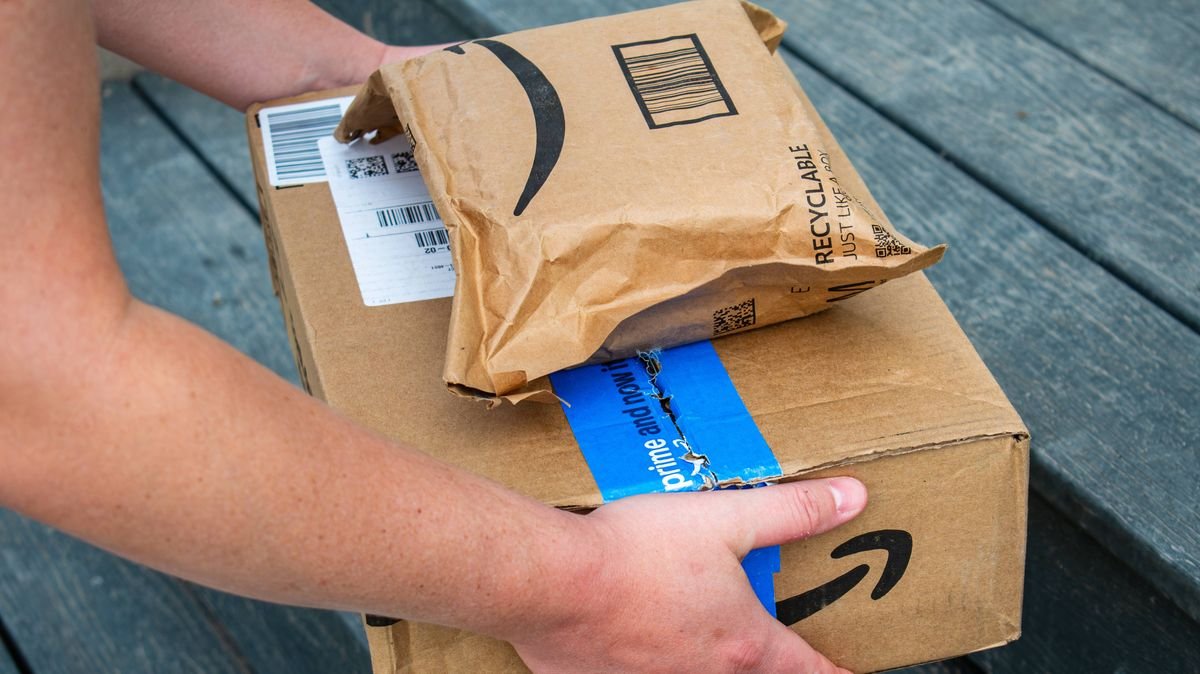

Scammers are currently circulating highly convincing Amazon schemes, preying on consumers’ reliance on the platform for various purchases. These fraudulent activities, often disguised as legitimate messages regarding account issues, deliveries, or refunds, pose significant risks to unsuspecting individuals. Falling victim to these scams can potentially lead to substantial financial losses and expose individuals to broader fraud schemes.
One prevalent scam involves receiving an email purporting to be from Amazon, alerting recipients of account problems. These deceptive emails mimic authentic Amazon correspondence, including logos and order details, making them difficult to distinguish from genuine messages. Clicking on the provided link redirects users to a fake login page designed to capture personal login credentials, enabling scammers to access accounts, make unauthorized purchases, and attempt further breaches.
Another common tactic is sending text messages claiming parcel delivery issues or requesting a small fee for rescheduling. These texts, often appearing to be from Amazon or courier services, direct recipients to a convincing payment page seeking a nominal fee. In reality, individuals unknowingly provide card information to scammers due to the perceived legitimacy of the transaction, given the prevalence of waiting for deliveries.
Moreover, sophisticated phone scams have emerged, with fraudsters posing as Amazon representatives to deceive individuals into disclosing sensitive information or granting remote access to devices. These scams involve callers alleging high-value orders or refunds, utilizing professional language and personal details to enhance credibility. Victims are coerced into providing verification details or downloading malicious software, granting scammers unauthorized access to personal and financial data.
To safeguard against these scams, it is crucial to exercise caution and avoid clicking on suspicious links, particularly those requesting login credentials or payment details. Amazon advises customers to remain vigilant, emphasizing that the company never requests passwords, PINs, or remote device access via unsolicited calls. Furthermore, individuals should verify transactions and communications directly through official channels to prevent falling prey to fraudulent activities.
By remaining vigilant and adopting proactive security measures, consumers can mitigate the risks associated with Amazon scams and protect themselves from potential financial losses and identity theft. Reporting suspected scams to relevant authorities and staying informed about scam avoidance strategies are essential steps in combating fraudulent activities targeting online shoppers.