

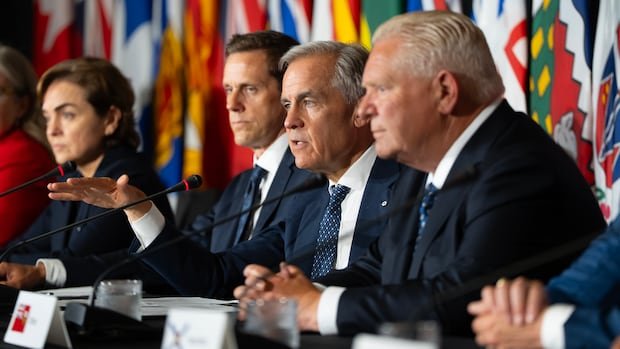

Negotiators from Canada are concerned about the upcoming imposition of new U.S. tariffs on Wednesday. Attempts to secure relief from existing sectoral tariffs and persuade provinces to lift restrictions on American alcohol are proving challenging for Ottawa, sources reveal. Talks between Canada and the U.S. have been escalating, with Trade Minister Dominic LeBlanc meeting with U.S. Trade Representative Jamieson Greer virtually for the third time in less than a week.
Ottawa’s recent focus has been on striking a “comprehensive agreement” with Washington. The Canadian government aims to have the Trump administration abandon the impending 50 percent tariffs on nearly $28 billion worth of Canadian goods. Additionally, they seek a reduction in existing sectoral tariffs affecting industries such as steel, aluminum, auto, and lumber.
To gain provincial support, a comprehensive deal is crucial, including commitments to reintroduce American alcohol sales in Canada. However, the U.S. has not shown willingness to significantly reduce existing sectoral tariffs, leading to significant differences in negotiations. Some provinces are reluctant to lift their alcohol bans unless there is tariff relief for their industries, posing a challenge for Ottawa to finalize a deal.
Provinces have been informed that Canada may need to make concessions on issues raised by the U.S., such as provincial bans on U.S. alcohol, dairy import quotas, and retaliatory tariffs on U.S. autos. Resolving these disputes is a prerequisite to avoiding the impending tariffs on Wednesday.
Provinces hold the key to lifting alcohol bans as they imposed them independently, complicating the negotiation process. Some provinces have indicated they will not lift bans until their grievances are addressed in the trade deal. British Columbia insists on including reductions in softwood lumber tariffs in the overall agreement, emphasizing the importance of this sector for the Canadian economy.
The Canadian government is urging a unified approach among provinces to swiftly align with negotiations, as the U.S. seems unlikely to extend the tariff deadline. Maintaining unity among federal, provincial, and territorial governments is crucial to reaching a consensus and securing a favorable deal. Despite efforts to bridge gaps with the U.S., the possibility of talks concluding without an agreement has been under consideration. Prime Minister Mark Carney previously highlighted that no deal might be the preferred option if tariffs are imposed, emphasizing the need for a robust stance in negotiations.