

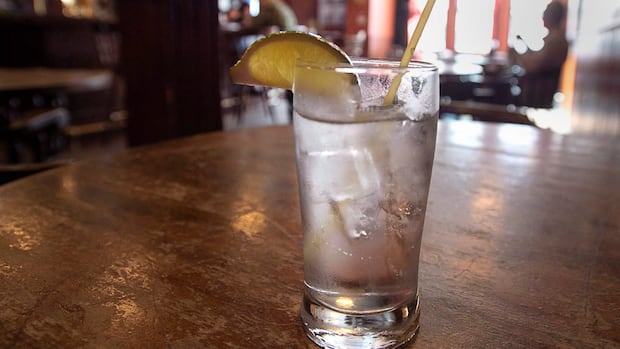

Producers of alcoholic beverages bottled in Newfoundland and Labrador are preparing for the repercussions of new, severe tariffs imposed by the United States, predicting that this move will result in their products being removed from shelves in the U.S.
Jonathan Hemi, managing partner of Crystal Head Vodka and Signal Hill Whisky, stated that the newly implemented 50 percent tariffs on certain Canadian goods, which took effect on August 22, will have a “significant” impact.
“When tariffs are at 10 or 15 percent, businesses can manage by making slight adjustments and accepting reduced profits,” Hemi explained to CBC News.
“However, when tariffs rise to 50 percent, it effectively eliminates your presence in that market. Such a burden is simply too great for a small company like ours to bear.”
Hemi mentioned that Crystal Head Vodka, co-founded by actor Dan Aykroyd, is distributed in roughly 70 countries, with the U.S. being their most important market, generating about 50 percent of its profits. Although Signal Hill Whisky does not currently have a significant presence in the U.S., the ongoing trade conflict is hindering its plans for expansion.
“We were on the verge of finalizing an importer agreement, but now that will obviously be postponed. Our growth in the largest market has essentially come to a halt for the foreseeable future until we can navigate these tariff challenges,” Hemi remarked.
When questioned about the potential of relocating production to the U.S. if the trade tensions persist, Hemi expressed a hope that such a measure wouldn’t be necessary.
“We want to avoid causing harm to anyone, including our workforce,” he said, but encouraged to revisit the topic in a year.
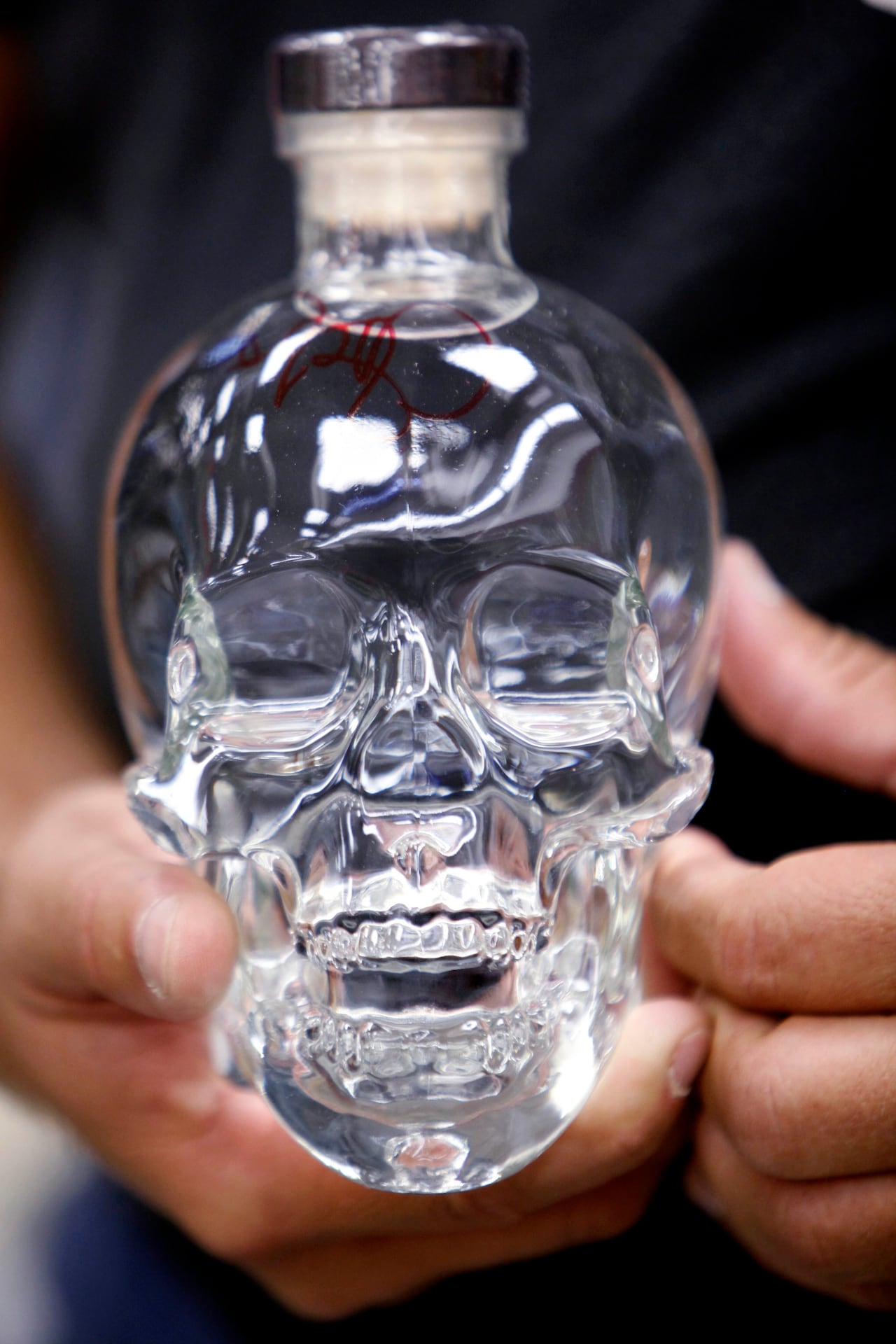
Jonathan Hemi states that the U.S. is the largest market for Crystal Head Vodka and will face significant effects from the tariffs. (The Associated Press/Matt Rourke)
Hemi noted that the U.S. provided Canada with roughly a four-week notice before the new tariffs were implemented, which left little time for them to produce and dispatch additional inventory to the U.S. in anticipation.
“We managed to get some products in. Did we do as much as we’d have liked? No. But did we gain a little bit of time? Yes, although not significantly,” Hemi added, expressing uncertainty about whether the 50 percent tariffs would indeed be enforced.
He acknowledged that while Canadians have shown support, there is a limit to what a smaller nation can achieve, likening the U.S. to an 800-pound gorilla.
“We can try to hold our ground and make efforts, but ultimately, we require an agreement for Canada to continue to thrive as we have,” Hemi stated.
He further mentioned that developing alternative markets outside of the U.S. will take time and expressed a desire for government assistance in that regard.
‘Caught in a tough spot’
Steve Ciccolini, president of Iceberg Brands Corporation, which produces Iceberg Vodka, also expressed concern about the “sizeable” negative impact of the tariffs, while noting that trade tensions have been escalating for the past year and a half. During this time, he indicated that they have been exploring reaching other markets and provincial liquor boards.
“The 50 percent tax would effectively eliminate our competitiveness,” Ciccolini asserted.
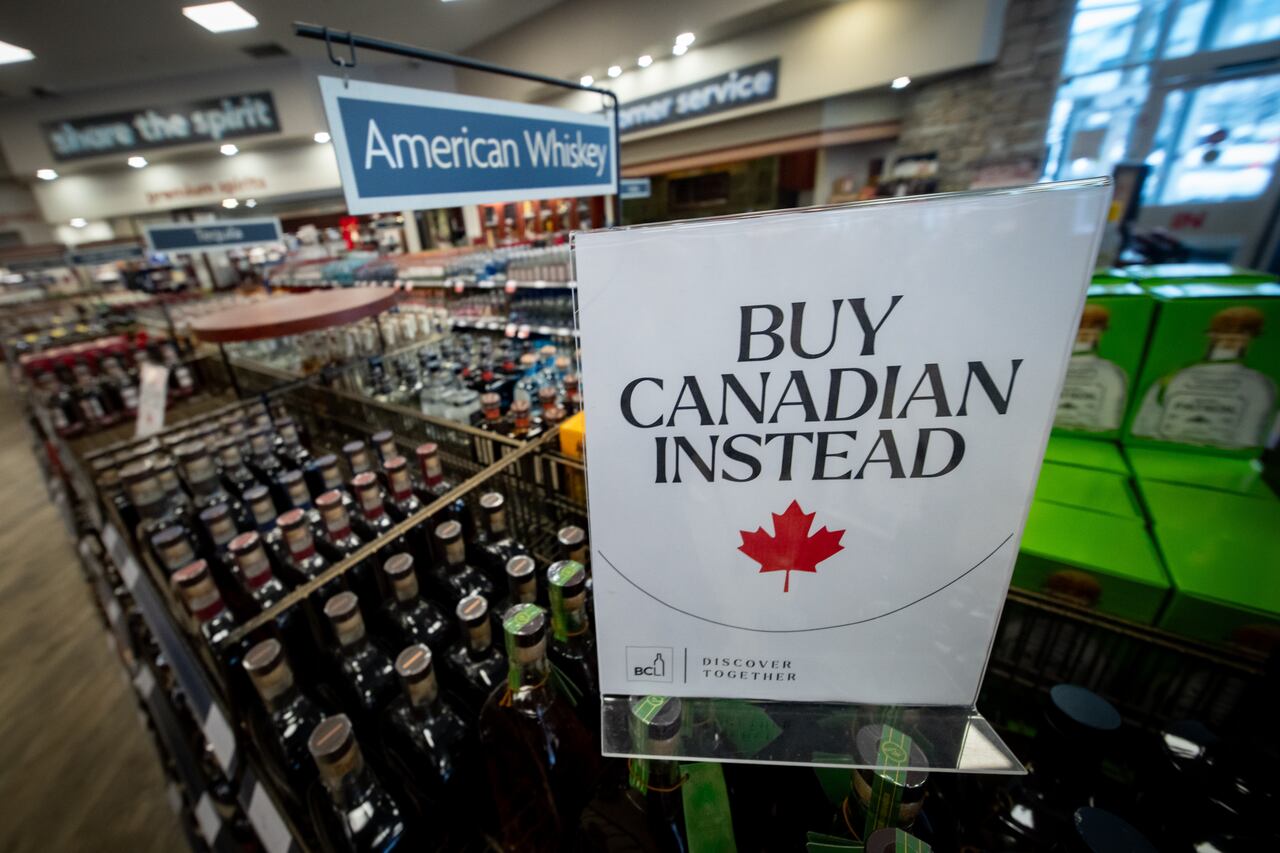
Both Hemi and Ciccolini are hopeful that Canada and the U.S. can find a resolution and resume trade. (The Canadian Press/Ethan Cairns)
Ciccolini pointed out that his company hesitated to increase shipments to the U.S. ahead of the tariff implementation due to the costs associated with inventory storage.
“We find ourselves in a challenging position regarding the United States. We’re monitoring the news more closely than ever before,” Ciccolini remarked.
If the tariffs persist or escalate, he warned that the situation would become “dire” for his business.
“No one in the supply chain can absorb that 50 percent increase. We can’t take on that burden. The importer won’t, the wholesaler won’t, and the consumer certainly won’t either.”
He outlined the strategy to sell existing inventory in the U.S. and “manage” through the current circumstances.
-
Consumers say ‘resolve is strengthened’ to buy Canadian, bringing patriotic shopping movement back to life
-
Analysis
The art of inflicting pain: How to select targets for Canada’s counter-tariffs
Both Hemi and Ciccolini are optimistic that the two nations can come to an agreement that will allow trade to resume.
In a statement to CBC News, the national trade association Spirits Canada expressed disappointment that a trade agreement had not been reached to allow U.S. alcohol back on Canadian shelves and to prevent the implementation of the 50 percent tariffs.
“Tariffs will not address the fundamental challenges facing the North American spirits industry. They will raise costs, disrupt established supply chains, undermine investment, and threaten jobs on both sides of the border,” the statement read.
The organization also highlighted that Canadian spirits contribute approximately $5.8 billion to the nation’s GDP, and last year, about 93 percent of Canada’s spirits exports by value were directed to the U.S.
Download our free CBC News app to sign up for push alerts for CBC Newfoundland and Labrador. Sign up for our daily headlines newsletter here. Click here to visit our landing page.