

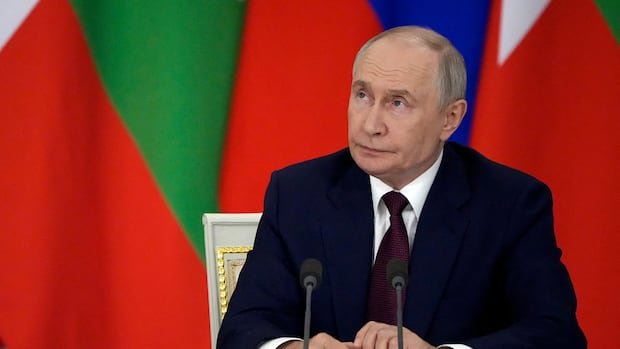

In the midst of the escalating conflict between Russia and Ukraine, a significant U.S. intelligence mission to Moscow has shed light on a divided discussion among allies regarding Vladimir Putin’s future actions.
Speculation has been rife among analysts that Putin, the Russian president, may have abandoned hope that U.S. President Donald Trump could pressure Ukraine into meeting his surrender demands. It is now believed that Putin is considering escalating the conflict as a means to conclude the prolonged five-year war.
Facing economic challenges and a declining pool of willing fighters in Ukraine, Putin is contemplating various strategies. Ukrainian intelligence officials anticipate a mass mobilization effort to enlist hundreds of thousands of new conscripts to overwhelm Ukraine’s defenses.
Concerns have been raised by military think tanks about potential provocations by Putin to test NATO’s unity, including potential territorial seizures and actions against Western arms suppliers. Furthermore, reports suggest that hybrid attacks across Europe have intensified recently, including assassination attempts and drone intrusions.
The recent visit of CIA Director John Ratcliffe to Moscow has sparked speculation about Putin’s intentions. While initial reports suggested a warning against escalating sabotage campaigns, subsequent accounts indicated a focus on ending the conflict in Ukraine before Russia’s situation worsens economically and militarily.
Canada’s military presence in the Baltics has been highlighted amid discussions on potential threats from Russia. Despite fears of direct NATO involvement, analysts believe that Ratcliffe’s visit may have been to emphasize the seriousness of U.S. economic sanctions against Iran and warn Russia against interference.
As tensions continue to rise, Ukraine remains the primary target of potential Russian aggression. Despite the challenges faced by Ukraine, including missile attacks and civilian casualties, the country’s resolve remains strong in the face of Putin’s aggressive moves.
Putin’s risky mobilization efforts, which were initially expected to be short-lived, have resulted in significant casualties for Russia. The mass mobilization strategy carries its own risks for Putin, including potential unpopularity and economic disruptions.
Ultimately, the evolving situation suggests that Ukraine is likely to bear the brunt of whatever decisions Putin makes, whether aimed at shoring up alliances, protecting Baltic states, or isolating Iran.