

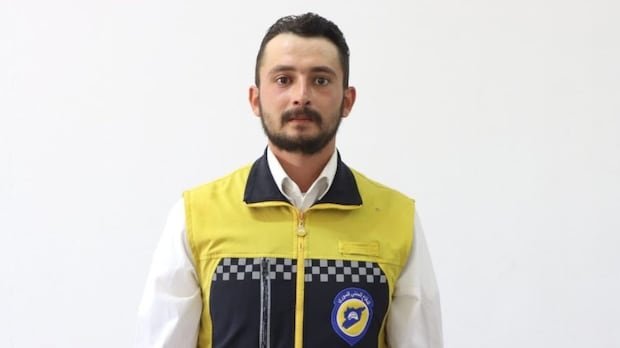

Syrians have demonstrated this week demanding justice following the death of Mohammad Ghamira, who passed away in a hospital after purported mistreatment by security forces while in custody. Ghamira’s family informed authorities that the 29-year-old, a father of two, had hemophilia, a genetic disorder affecting blood clotting. After being detained for three days, he was released on August 9 and immediately hospitalized, where he died a week later.
Ghamira’s demise has become a pivotal test for Syria’s new government in proving its commitment to accountability post the Assad regime’s long-standing rule. His passing has triggered peaceful protests and sit-ins across the country, shedding light on numerous reported cases of alleged abuse in detention centers under the new administration.
Fadel Abdulghany, Executive Director of the Syrian Network for Human Rights, emphasized the need for a judicially supervised system to govern detention practices, highlighting the significance of systemic accountability in Syria’s transition phase.
Ghamira, a former volunteer with the White Helmets, was detained on suspicion of theft by the Latakia Internal Security Command. Despite his family’s warnings about his medical condition, he was reportedly struck while in custody. His uncle revealed that Ghamira succumbed to complications from brain and stomach bleeding resulting from the alleged mistreatment.
Syria’s Minister of Emergency and Disaster Management mourned Ghamira’s death, affirming the government’s commitment to justice and emphasizing the absence of impunity in the new Syria. The police interrogator responsible for the abuse has been referred for prosecution, while disciplinary measures against other involved personnel are ongoing.
Rights groups have criticized the internal investigation into Ghamira’s death, noting that broader systemic reforms are necessary to prevent future abuses in detention facilities. Families of detainees who suffered under Assad’s regime have expressed dismay over the recurring reports of mistreatment, emphasizing the need for transparent investigations and structural changes to ensure accountability in the post-conflict era.
Reports from human rights organizations indicate that torture and ill-treatment persist in Syrian detention centers, highlighting the challenges in addressing widespread abuses. The United Nations Commission of Inquiry has documented instances of torture and mistreatment in various official and makeshift detention facilities, underscoring the continued struggle for accountability and reform in Syria.