

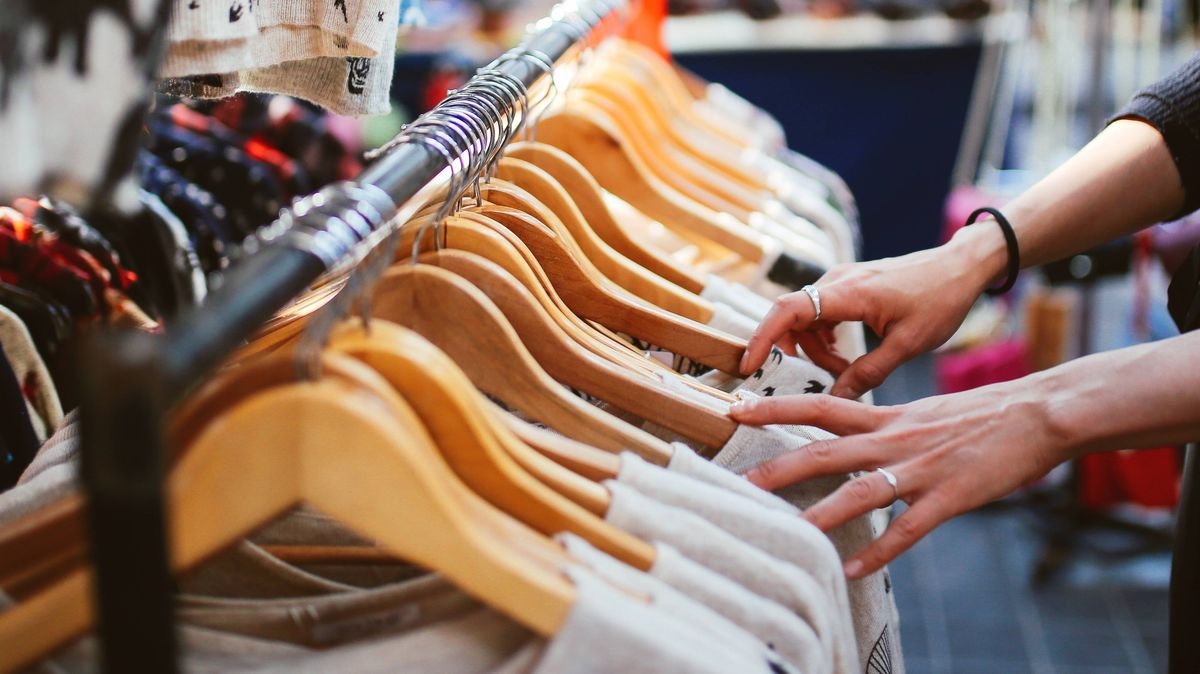

Charity shopping has been a lifelong passion of mine, starting from my early days with my mother as a cherished weekend activity. It has evolved from a money-saving tactic into a knack for recognizing quality and value. Over the years, I have discovered that charity shops often house hidden gems that exceed their price tags in worth.
From high-end designer apparel to vintage toys and even outdated tech gadgets, charity shops across the nation are treasure troves for collectors and resellers. What may seem like a modest £3 buy could potentially turn into a valuable investment. Here are ten items I always keep an eye out for while browsing, as they might hold more value than anticipated.
One often overlooked area is identifying genuine designer pieces that may slip through the cracks. While charity shop volunteers are dedicated, they might not recognize every luxury brand or limited-edition item. Brands like Burberry, Mulberry, Barbour, Jaeger, and vintage Marks & Spencer items are worth inspecting for quality. Pay close attention to labels, as older designer pieces may feature distinct fonts or tags compared to modern versions. Additionally, explore lesser-known designers that might be easily missed.
Even if not from a top fashion house, well-crafted wool coats, cashmere jumpers, and leather handbags can fetch significant prices online. Keep an eye out for heavy cast-iron cookware like Le Creuset and Staub, as these premium brands maintain their value, particularly in sought-after discontinued shades that appeal to collectors.
Vintage Pyrex patterns, often disregarded, have a dedicated following and can be valuable. Real silver jewelry can be a hidden gem, sometimes mistaken for costume pieces or sold inexpensively as bric-a-brac. Look for hallmarks like “925,” “Sterling,” or British assay marks to identify genuine silver items with intrinsic value based on weight.
Toys from bygone eras, especially original Lego sets, Polly Pocket, Sylvanian Families, early Pokémon cards, and 90s board games, can command surprising prices. Nostalgic collectors are drawn to items from the 80s, 90s, and early 2000s, creating a robust market for such vintage pieces.
Valuable books can be identified without expert knowledge by searching for first editions of popular authors, often worth more than their cover prices. Vintage children’s books, classic cookbooks, and illustrated titles are particularly sought after. Even books of moderate rarity can fetch £20 to £50, proving to be profitable investments.
Quality leather bags, characterized by full-grain leather, sturdy stitching, and durable metal hardware, are timeless pieces that hold their value. Brands like Radley, Coach, and vintage Mulberry are highly coveted, but even unbranded leather bags with superior craftsmanship can resell well.
Certain discontinued fragrances with a dedicated following can sell for substantial amounts, even if partially used. Collectors of nostalgic scents are willing to pay premium prices for rare perfumes that are no longer available in stores.
Vinyl records, especially classic rock, jazz, and original film soundtracks, retain value and appeal to collectors. Vintage tech items like Sony Walkmans, early iPods, film cameras, and retro gaming consoles are sought after for their nostalgia factor.
Solid wood furniture, often undervalued due to its bulkiness, can be lucrative if you spot mid-century pieces, Ercol furniture, vintage mirrors, or unique lamps. Even if not resold, these items can enhance your home decor significantly.
“New with tags” items in charity shops, often unwanted gifts or end-of-line stock, provide opportunities for resale or personal use at discounted prices. Brand new clothing, beauty sets, homeware, and small appliances can be sold for a profit or used as cost-effective gifts.
Through years of charity shopping experiences with my mother and continuing the tradition independently, I’ve honed my ability to identify valuable items. Regular visits and a keen eye can lead to recognizing quality instantly, even if hidden fortunes are not uncovered. Embracing charity shopping not only offers bargains but also supports a noble cause and gives items a second chance at life. And who knows, that modest £2 find could potentially become a valuable nest egg in the future.