


In March 2025, during his state of the union address, U.S. President Donald Trump expressed optimism about the economic benefits of tariffs, projecting significant revenue and job creation. However, the promised job growth has not materialized, and the U.S. government debt has surpassed $40 trillion, leading to concerns in the bond market.
Despite the intended economic boost, tariffs have primarily resulted in a transfer of wealth from lower-income households to wealthy corporations within the U.S. This shift aligns with the broader economic strategies of the Trump administration and the Republican Party, focusing on tax policies that benefit the affluent.
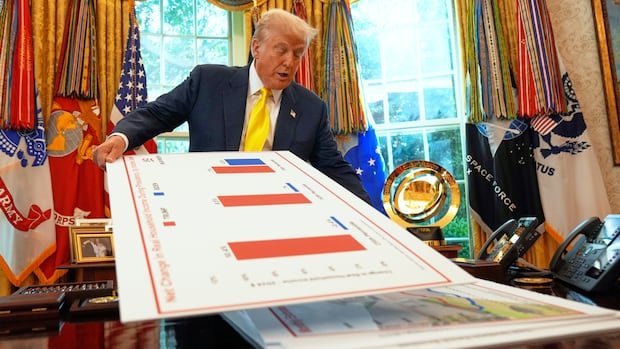
Economists highlight that tariffs disproportionately impact lower-income families, as they spend a higher percentage of their income on taxed goods. Conversely, wealthier households, which allocate more funds to services rather than goods subject to tariffs, face minimal financial strain.
The distribution of tariff refunds and exemptions further favors well-connected corporations, with major companies like Walmart and Target benefiting significantly. Meanwhile, smaller businesses and individual consumers are largely excluded from such benefits.
Political connections play a crucial role in securing tariff exemptions, as evidenced by lobbying efforts and political donations influencing the outcome of exemption applications. This favoritism towards politically affiliated entities underscores the inequitable nature of the tariff system.
While some corporations claim they will pass on tariff refunds to consumers through price reductions, economists remain skeptical about the actual trickle-down effect. Studies indicate that U.S. buyers bear the brunt of tariff costs, with minimal relief reaching consumers.
Despite Trump’s narrative of tariffs reviving American manufacturing and creating jobs, the reality paints a different picture. Manufacturing job losses persist, with fewer job opportunities in the sector compared to when Trump assumed office for his second term.
The implementation of tariffs, coupled with tax cuts favoring the wealthy, has exacerbated income inequality and failed to generate sufficient revenue to offset tax reductions. As a result, the burden falls on the middle class, contributing to escalating national debt and higher interest rates.
Looking ahead, experts emphasize the need for alternative revenue-raising measures over tariffs to foster a more equitable and sustainable economic landscape.